
Cairo — Egypt’s Information Technology Industry Development Agency (ITIDA) is preparing a new package of incentives for digital freelancers as part of a wider strategy to expand the country’s digital services exports to $6 billion in 2026, positioning independent professionals as a growing pillar of the nation’s offshoring industry amid intensifying global competition for technology talent.
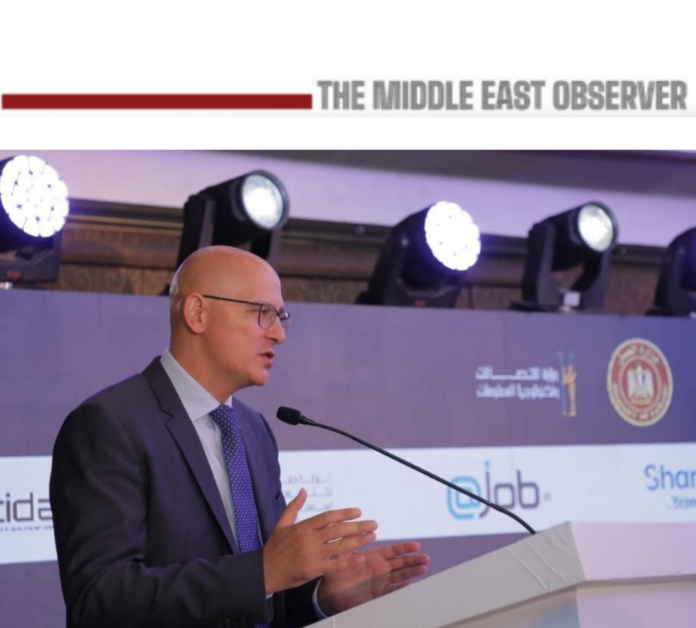
Speaking at WorkShift Summit 2026 on behalf of ITIDA Chief Executive Ahmed Elzaher, Mahmoud Sofrata, ITIDA’s Vice President for Market Development, said structural changes in global labour markets are transforming freelancing from a supplementary source of income into an increasingly important component of the digital economy.
“The expansion of freelancing is contributing directly to digital exports and strengthening Egypt’s integration into global services markets,” Sofrata said, adding that demand for highly skilled digital professionals continues to accelerate across international markets.
The planned incentive programme forms part of Egypt’s broader ambition to consolidate its position as a regional hub for IT outsourcing, business process services and knowledge-based digital industries. While details of the incentives have yet to be announced, the initiative is intended to improve the global competitiveness of Egyptian freelancers and increase their contribution to the country’s expanding digital exports.
According to Sofrata, Egypt now has an estimated 850,000 digital freelancers, while the country produces nearly 750,000 university graduates annually, including approximately 50,000 engineers, creating one of the region’s largest multilingual technology talent pools. He also said Egypt ranks ninth globally in freelancing, citing World Bank data.
Despite these strengths, Sofrata acknowledged that Egypt has only begun to capture the opportunities presented by the rapidly expanding global digital services market.
He noted that success in freelancing extends well beyond technical expertise, requiring professionals to compete on pricing, communication, customer engagement and project management while serving increasingly sophisticated international clients. As a result, investment in skills development remains central to Egypt’s long-term competitiveness.
To support that objective, ITIDA has expanded specialised training programmes through initiatives including Egypt FWD and ITIDA Gigs, which are designed to equip freelancers with internationally recognised technical and business skills while improving their access to global digital marketplaces.
The initiative reflects a broader shift in Egypt’s economic strategy as policymakers seek to diversify export revenues through high-value digital services. Unlike traditional outsourcing models centred on large delivery centres, the growth of freelance platforms enables skilled professionals to serve international clients directly from Egypt, broadening the country’s participation in global digital value chains while creating new sources of foreign currency earnings.
The strategy also supports the objectives of the Digital Egypt Offshoring Strategy 2022–2026, which aims to strengthen Egypt’s position as a leading destination for technology services by leveraging its multilingual workforce, competitive operating costs and expanding digital infrastructure.
ITIDA said Egypt generated $5.2 billion in digital services offshoring revenues in 2025 and is targeting $6 billion this year, with the expanding freelance economy expected to play an increasingly important role in achieving that objective.
WorkShift Summit 2026 brought together government agencies, technology companies and private-sector stakeholders, including representatives from the ministries of Communications and Information Technology, Labour and Investment, highlighting Egypt’s growing focus on developing a knowledge-based economy and strengthening its competitiveness in global digital services.
Related news:
Egypt’s MCIT Expands Qodwa.Tech Drive to Strengthen Women’s Digital Empowerment
MCIT Pushes AI-Driven Outsourcing Expansion as Foundever Scales Operations
Read also:
MCIT Advances Digital Sovereignty Strategy as Egypt Strengthens Cybersecurity Ambitions
MCIT: AI Security Emerges as Pillar of Egypt’s Digital Sovereignty Strategy