
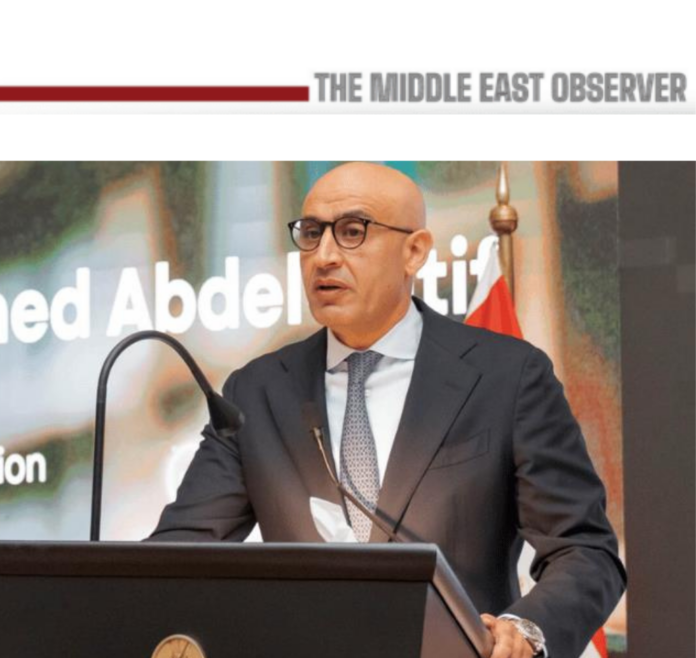
Cairo — Student attendance in Egyptian schools has risen to 87 percent from just 15 percent, according to a UNICEF-supported evaluation cited by Egypt’s Ministry of Education, highlighting the impact of recent reforms aimed at improving classroom participation, learning outcomes and school capacity.
The findings were reviewed by Prime Minister Mostafa Madbouly and Education Minister Mohamed Abdel-Latif as part of an assessment of measures introduced to reduce overcrowding, strengthen school discipline and improve the quality of the learning environment across the country’s public education system.
The evaluation also pointed to a decline in primary-school class density from about 63 students to 41 students per classroom, alongside a 33 per cent increase in teaching capacity. Officials said the reforms have helped restore regular attendance, improve classroom engagement and create more effective conditions for learning.
The improvement follows a broader reform programme designed to restore the role of schools in the educational process after years in which overcrowded classrooms, infrastructure pressures and growing reliance on private tutoring contributed to weak attendance rates and reduced classroom participation.
The report also cited significant gains in literacy, with the proportion of students facing weak reading and writing skills falling from 45.5 percent to 13.9 percent through successive phases of a national programme focused on strengthening foundational skills.
Beyond education outcomes, policymakers increasingly view improvements in attendance and learning quality as essential to developing Egypt’s future workforce, enhancing productivity and supporting long-term economic competitiveness. Better educational performance is widely regarded as a critical component of the country’s broader human-capital development strategy.
While the underlying evaluation has yet to be fully published, the findings suggest that Egypt’s education reforms are beginning to address some of the most persistent challenges facing the public-school system. Sustaining these gains will depend on continued investment in teachers, infrastructure and educational quality as enrolment pressures continue to grow.
Related news:
Egypt Advances in Global Research Collaboration and Education Indicators
Egypt’s Information Minister, Arab Academy President Discuss Developing Digital Media Education
Read also:
Egypt Launches Trade Intelligence Platform to Drive $100bn Export Ambition
Egypt Restores Gas Supply Stability as Fertiliser Exports Reach $9.4bn