When humanity invented plastic in the early twentieth century, few could have imagined that this remarkable material would one day become one of the greatest environmental challenges facing the planet. What began as a revolutionary innovation designed to improve daily life has, over time, evolved into a modern-day Frankenstein—placing immense pressure on ecosystems, natural resources and public health.
As necessity is often the mother of invention, American inventor John Wesley Hyatt developed the first synthetic polymer in 1869 using natural materials such as camphor and cellulose as a substitute for ivory, which was widely used in the manufacture of billiard balls. At the time, growing demand for ivory was contributing to the large-scale slaughter of elephants for their tusks.
A new era began in 1907 when Belgian-American chemist Leo Baekeland created Bakelite, the world’s first fully synthetic plastic produced without natural materials. From that moment onward, plastic became deeply embedded in modern life. Today it is present in almost everything we use, from shopping bags, bottles and food packaging to countless household and industrial products.
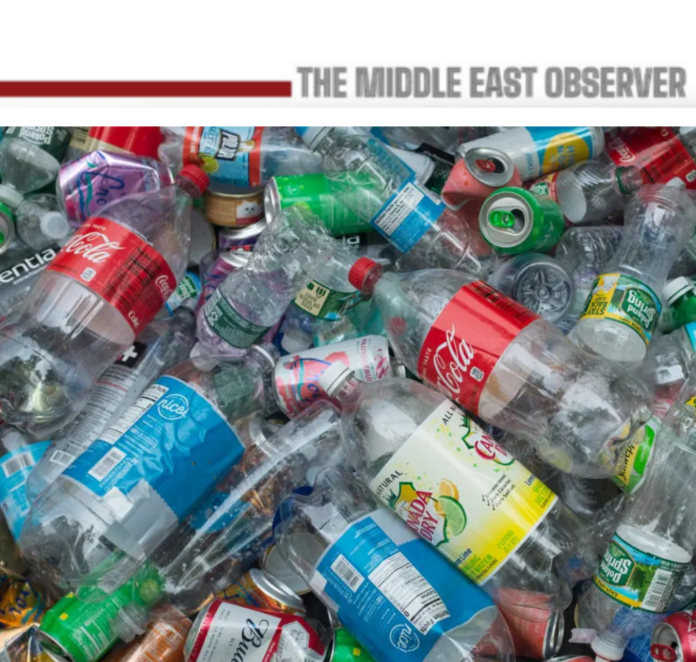
Yet humanity’s pursuit of convenience has come at a considerable cost. The widespread adoption of plastic, coupled with inefficient waste management and excessive consumption, has transformed a useful invention into a major environmental burden. Plastic waste now clogs rivers, fills landfills, pollutes coastlines and threatens marine ecosystems, with repercussions extending to tourism, fisheries, shipping and other vital economic sectors.
Plastic is primarily derived from petroleum-based products and is valued for its strength, durability and versatility. However, these same qualities make it environmentally problematic. Composed of long molecular chains, plastic can persist in nature for decades—and in some cases centuries—before breaking down. Most plastic products are used only briefly before being discarded, often ending up in landfills, parks, roadsides, waterways and oceans.
A Growing Threat to Soil, Water and Air
The environmental consequences of plastic waste are far-reaching. Ecosystems on land, in water and in the atmosphere all suffer from its accumulation.
In soil, plastic waste gradually disrupts natural biological processes. Plastic containers, bags and other debris block sunlight, hinder plant growth and reduce the activity of beneficial organisms that maintain soil health. Over time, this weakens soil fertility and alters its biological composition.
Landfills present another challenge. The accumulation of large volumes of waste creates conditions that contribute to the production of methane—a greenhouse gas significantly more potent than carbon dioxide in trapping heat. Although some countries capture landfill gas for energy generation, such systems remain far from universal. In addition, chemicals associated with plastic waste can contaminate groundwater resources, threatening drinking-water quality.
The Marine Environment Under Siege
Perhaps nowhere is the impact of plastic more visible than in the world’s oceans.
Plastic bags, bottles, food containers and other discarded items accumulate in marine environments, trapping and injuring countless species. As larger plastic items break down into smaller fragments, fish and other marine organisms ingest them, introducing contaminants into the food chain.
Among the species most affected are turtles, whales and seals, many of which mistake floating plastic for food. Plastic debris can obstruct digestive systems, leading to injury, starvation and death.
Coral reefs are also vulnerable. Plastic waste can block sunlight and interfere with water circulation patterns that provide reefs with oxygen and nutrients, contributing to ecosystem degradation.
A Threat to Wildlife
Plastic pollution extends beyond marine environments. Millions of seabirds are believed to ingest plastic particles annually, damaging their digestive systems and reducing survival rates.
In rural areas and grazing lands, discarded plastic bags frequently become a hazard for livestock such as cattle, sheep and goats. Animals often ingest plastic accidentally while feeding, resulting in digestive blockages, respiratory complications, illness and, in severe cases, death.
The consequences extend to human populations as well, as contamination can move through food chains and eventually reach consumers.
Asia and the Plastic Pollution Challenge
Southeast Asia has emerged as one of the world’s most significant plastic pollution hotspots. Rapid urbanization, population growth and the expansion of middle-class consumption have dramatically increased demand for plastic products and packaging.
However, waste-management systems in many areas have struggled to keep pace with these changes. The COVID-19 pandemic further intensified the challenge through increased use of disposable masks, sanitizer containers and packaging associated with e-commerce deliveries.
One of the most striking symbols of the crisis is the North Pacific Garbage Patch, a vast accumulation of floating plastic waste trapped by ocean currents in the Pacific Ocean. Fed by plastic debris carried through rivers and coastal systems, the area has expanded over decades and is now estimated to cover a surface area several times larger than France.
From Waste to Resource
Addressing the plastic crisis requires significant investment in collection, sorting and recycling infrastructure. Diverting waste away from landfills, open burning and marine environments is essential if countries are to establish more sustainable waste-management systems.
Governments also play a critical role in promoting demand for recycled materials through regulations, standards and incentive programmes. International organizations, including the World Bank Group, have increasingly supported initiatives aimed at encouraging what has been termed “smart investment in plastics,” promoting circular-economy solutions and identifying opportunities to reduce waste across key economic sectors.
Individual Choices Matter
While governments and businesses carry much of the responsibility, individual actions remain important.
Consumers can reduce plastic waste by choosing reusable alternatives such as cloth shopping bags, refillable water bottles, bamboo-based personal-care products and durable household items. Replacing disposable plastic cutlery with reusable metal alternatives and reducing dependence on single-use products can collectively make a meaningful difference.
More than a century after the invention of the first fully synthetic plastic, humanity continues to grapple with the consequences of its success. Between eight and twelve million tonnes of plastic enter the world’s oceans every year, threatening marine life, accumulating in massive garbage patches and breaking down into microplastics that increasingly find their way into food, drinking water and, ultimately, the human body.
As Christopher Noble, Director of Corporate Engagement at MIT’s Environmental Solutions Initiative, observed: “And now we have plastic in our stomachs.”
That simple statement may be the most powerful reminder of all that plastic pollution is no longer merely an environmental issue—it is a human one.
Related news:
Red Sea Advances Digital Environmental Oversight in Hurghada
New Study Links Environmental and Political Factors to Accelerated Aging
Read also:
El-Sisi Advances Human Capital Strategy Through Health, Education, Research and Innovation
Visibility Over Destruction: What the Kuwait Strike Reveals About Tehran’s Strategy