
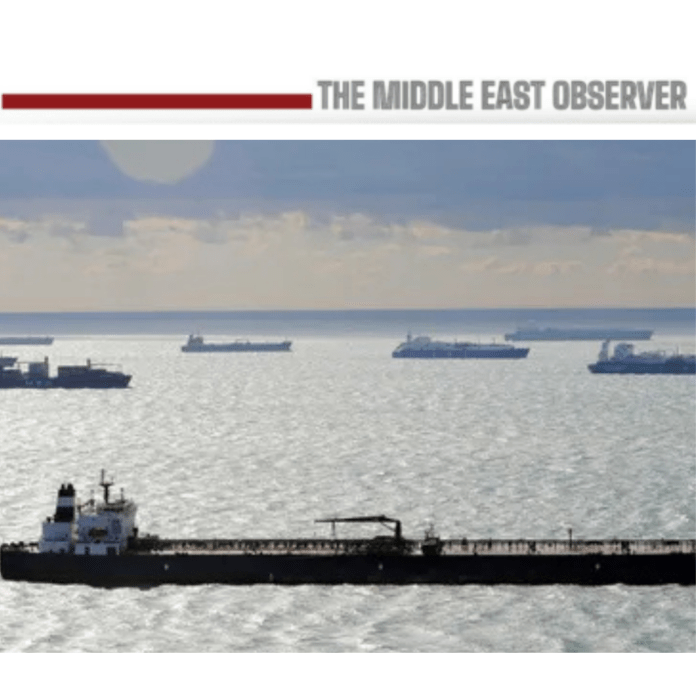
Iran is considering the introduction of transit fees on oil tankers passing through the Strait of Hormuz, proposing a charge of $1 per barrel to be paid in cryptocurrencies, according to a report by the Financial Times. The measure is being evaluated as part of Tehran’s broader effort to maintain operational oversight of the vital maritime corridor during a two-week ceasefire period.
Citing Hamid Hosseini, spokesperson for the Iranian Oil, Gas and Petrochemical Exporters’ Union, the report indicated that all vessels would be subject to prior assessment, requiring shipping companies to submit cargo details before fees are determined. While oil-laden tankers would incur the proposed charge, empty vessels would be permitted to transit without payment.
Hosseini noted that the initiative aims to regulate shipping activity during the truce and prevent the potential use of maritime routes for arms transfers. Payments, he added, would be required within a limited timeframe using digital currencies such as Bitcoin, a mechanism that could complicate traceability under existing international sanctions.
Despite the ceasefire, shipping activity through the Strait remains subdued. According to the Financial Times, vessels operating in the Gulf have received radio warnings of potential military targeting if they transit without prior authorization from Iranian authorities. Passage conditions remain unclear, contributing to heightened caution among global shipping operators.
Most international carriers have refrained from resuming transit, with only a limited number of Iran-linked tankers navigating the route. Major shipping firms continue to assess the evolving regulatory and security environment before committing to renewed operations.
The issue of navigation through the Strait of Hormuz remains a central point in ongoing negotiations aimed at transforming the temporary ceasefire into a longer-term agreement. Gulf states have expressed reservations regarding any arrangements that could expand Iran’s influence over one of the world’s most critical oil transit chokepoints.
As The Middle East Observer notes, developments surrounding the Strait of Hormuz continue to carry significant implications for global energy markets, maritime security frameworks, and the balance of power in Gulf trade corridors.
