
A historic achievement deserves a long-term vision
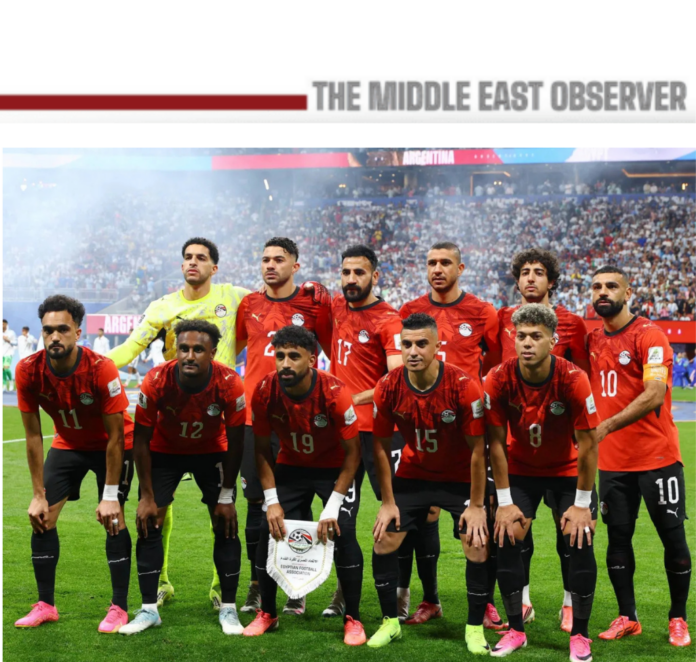
The homecoming of Egypt’s national football team after its remarkable third-place finish at the 2026 FIFA World Cup was unlike anything the country had witnessed before. Thousands of supporters welcomed the players at El Alamein International Airport, celebrating a squad that had rewritten Egyptian football history. Soon afterward, President Abdel Fattah El-Sisi received the team in an official ceremony, praising the players and coaching staff for an achievement that united millions of Egyptians behind a common dream.
The scenes reflected more than national pride. They represented a rare moment when football became a symbol of collective ambition, resilience and possibility. For a country that has long dominated African football but struggled to translate that success onto the global stage, the tournament marked a historic breakthrough.
Success brings greater responsibility
Yet celebrations, however well deserved, should not distract from the challenges that lie ahead. If anything, the extraordinary reception from both the public and the state has placed an even greater responsibility on the shoulders of the players, coaches and football administrators.
History is full of teams that produced one unforgettable tournament only to disappear from the international spotlight a few years later. Egypt cannot afford to become another example of a nation that confused a historic moment with lasting progress.
The real test begins after the applause fades. Sustained success requires careful planning, institutional stability and a willingness to invest in the future rather than simply celebrating the present.
Building a foundation for global success
If Egypt truly wants to establish itself among football’s elite, the starting point must be youth development. Producing world-class players cannot depend solely on exceptional talent emerging by chance. It requires modern academies, qualified coaches, sports science, competitive youth leagues and clear pathways from grassroots football to the national team.
Equally important is encouraging talented young players to pursue professional careers in Europe’s leading leagues at an early age. Competing week after week against the highest standards of football accelerates development in ways that domestic competition alone often cannot.
Many of the world’s most successful football nations have built their achievements on this model, combining strong domestic structures with early international exposure for their brightest talents.
Turning inspiration into strategy
The 2026 World Cup has inspired a new generation of Egyptian children who now believe they can compete with the very best. Inspiration, however, is only valuable if it is matched by opportunity.
This is the moment for the Egyptian Football Association, clubs, schools and policymakers to work together on a comprehensive national strategy that extends beyond the next tournament. Investment in facilities, coaching education and youth scouting should become national priorities rather than temporary projects.
Third place at the World Cup is an extraordinary milestone and one that deserves lasting recognition. But its greatest value will not be measured by the celebrations that followed. It will be measured by whether future generations look back on 2026 as the beginning of Egypt’s rise as a permanent force in world football, rather than as a glorious exception.
Related news:
Read also: