Egypt’s dramatic comeback victory over New Zealand and Morocco’s composed march through Group C have emerged as defining moments of the Arab and African campaign at the 2026 FIFA World Cup, raising hopes that the continent could be on course for its strongest collective performance in tournament history.
For decades, African and Arab teams have oscillated between flashes of brilliance and frustrating near-misses. This year, however, the signs suggest something different. Multiple teams remain in contention simultaneously, supported by a generation of internationally experienced players, improved tactical sophistication and the confidence generated by Morocco’s historic semi-final run in Qatar four years ago.
The result is a World Cup campaign that increasingly looks less like a series of isolated surprises and more like the continuation of a long-term footballing evolution.
Egypt Turn Belief into Momentum
Egypt’s 3-1 victory over New Zealand may ultimately be remembered as one of the most significant World Cup wins in the nation’s history.
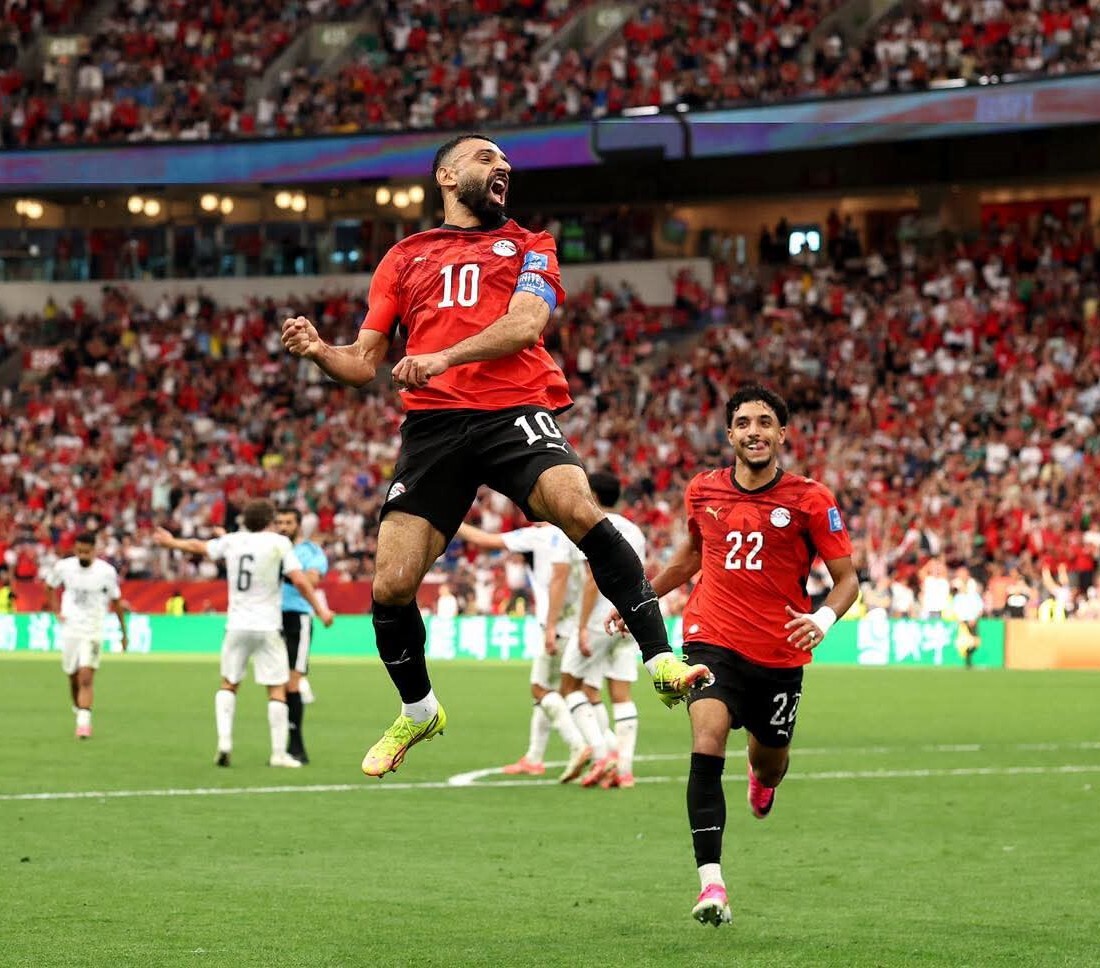
After conceding early and struggling throughout the first half, the Pharaohs returned after the interval with renewed intensity and purpose. Mostafa Ziko levelled the score before Mohamed Salah delivered the decisive breakthrough. Mahmoud Hassan “Trezeguet” then sealed the result, completing a comeback that carried far greater significance than three points alone.
The victory moved Egypt to the top of Group G and demonstrated qualities often associated with successful tournament teams: resilience, leadership and the ability to adapt under pressure.
Perhaps most importantly, Egypt showed they possess the mentality to recover from adversity rather than simply react to it.
Africa’s World Cup So Far
Across the tournament, Africa has produced several notable performances.
Morocco remained unbeaten after drawing with Brazil and defeating Scotland, while Ghana opened their campaign with a valuable victory over Panama. Ivory Coast have also shown their credentials, defeating Ecuador before pushing Germany in a narrow defeat.
Senegal, despite losing to France, remain alive and possess sufficient quality to recover. Tunisia, Algeria and South Africa face more challenging paths but still have opportunities to influence their groups.
What distinguishes Africa’s campaign so far is depth. Unlike previous World Cups, where one team carried continental expectations, several nations currently possess realistic qualification prospects.
Why Africa Is Stronger Than Ever
The improvement is no accident.
African football has benefited from greater integration into Europe’s elite leagues, improved youth academies, enhanced coaching structures and growing tactical sophistication. The success of Morocco in 2022 accelerated belief across the continent, demonstrating that African teams can compete with and defeat the world’s traditional powers through organisation, discipline and technical quality.
Many leading African players now feature regularly in the UEFA Champions League, Premier League, La Liga, Bundesliga and Serie A. This exposure has narrowed the experience gap that historically separated African teams from the world’s elite.
The 2026 World Cup may therefore represent not an isolated breakthrough but the culmination of a broader footballing transformation.
Continental Comparison
Africa’s leading contenders each bring distinct strengths:
- Egypt relies on leadership, resilience and attacking efficiency.
- Morocco excels through tactical organisation and defensive discipline.
- Ghana combines athleticism with quick transitional play.
- Ivory Coast utilise pace, physicality and direct attacking football.
This diversity reflects the continent’s growing football maturity and tactical flexibility.
Qualification Probability Rankings
Strong Favourites
- Egypt — 85%
- Morocco — 90%
Favourable Position
- Ghana — 65%
- Ivory Coast — 60%
Still in Contention
- Saudi Arabia — 45%
- Senegal — 40%
Require Major Turnaround
- Algeria — 25%
- Jordan — 20%
- Tunisia — 15%
Facing Elimination Risk
- Qatar — 10%
Arab & African Statistical Snapshot
| Category | Arab Teams | African Teams |
|---|---|---|
| Teams Participating | 6 | 8 |
| Teams in Strong Qualification Position | Egypt, Morocco | Egypt, Morocco, Ghana, Ivory Coast |
| Teams Under Pressure | Qatar, Algeria, Jordan | Tunisia, Senegal |
| Best Result So Far | Egypt 3-1 New Zealand | Egypt 3-1 New Zealand |
| Best Defensive Record | Morocco | Morocco |
| Leading Performer | Mohamed Salah | Mohamed Salah |
Top Players by Team
Egypt
Key Players: Mohamed Salah, Mostafa Ziko, Mahmoud Hassan “Trezeguet”, Mohamed El Shenawy
Morocco
Key Players: Achraf Hakimi, Yassine Bounou, Ismael Saibari, Azzedine Ounahi
Ghana
Key Players: Mohammed Kudus, Thomas Partey, Caleb Yirenkyi
Ivory Coast
Key Players: Amad Diallo, Sébastien Haller, Wilfried Singo
Senegal
Key Players: Kalidou Koulibaly, Nicolas Jackson, Ismaïla Sarr
Saudi Arabia
Key Players: Salem Al-Dawsari, Firas Al-Buraikan
Algeria
Key Players: Riyad Mahrez, Ismaël Bennacer
Tunisia
Key Players: Youssef Msakni, Ellyes Skhiri
Jordan
Key Players: Mousa Al-Tamari, Yazan Al-Naimat
Qatar
Key Players: Akram Afif, Almoez Ali
Arab & African Team of the Tournament So Far
Goalkeeper:
Yassine Bounou
Defenders:
Achraf Hakimi
Wilfried Singo
Mohamed Hany
Kalidou Koulibaly
Midfielders:
Mohammed Kudus
Azzedine Ounahi
Mostafa Ziko
Forwards:
Mohamed Salah
Amad Diallo
Salem Al-Dawsari
Player of the Tournament So Far
 Mohamed Salah
His goal, assist, leadership and influence on Egypt’s historic victory have made him the tournament’s standout Arab and African performer to date.
Historical Perspective
Africa’s World Cup journey has been marked by several defining milestones. Cameroon stunned the world by reaching the quarter-finals in 1990. Senegal repeated the achievement in 2002. Ghana came within a penalty kick of the semi-finals in 2010. Morocco then broke new ground in 2022 by becoming the first African nation to reach the semi-finals.
The difference in 2026 is the breadth of the challenge. For perhaps the first time, four African teams — Egypt, Morocco, Ghana and Ivory Coast — simultaneously possess realistic ambitions of reaching the knockout rounds.
Likewise, the Arab challenge extends beyond a single team. Egypt and Morocco are thriving, while Saudi Arabia remain alive and capable of recovery.
Can Africa and the Arab World Produce Their Deepest World Cup Run?
The evidence increasingly suggests they can.
The continent has never entered the latter stages of a World Cup with so many credible contenders. Egypt have rediscovered belief, Morocco remain tactically elite, Ghana continue to impress, and Ivory Coast possess the talent to challenge stronger opponents.
Whether this becomes the greatest collective World Cup campaign in African and Arab football history will depend on the next round of matches. But one conclusion is already becoming difficult to ignore:
Africa and the Arab world are no longer arriving at World Cups hoping to participate. They are arriving expecting to compete.
Related news:
Egypt Earns Global Respect After Holding Belgium in World Cup Opener
Read also:
The New Soybean Race: Enzymes, Trade Wars, and What Egypt Should Watch
Brain Drain: Can Arab Economies Afford to Keep Losing Their Best Minds?