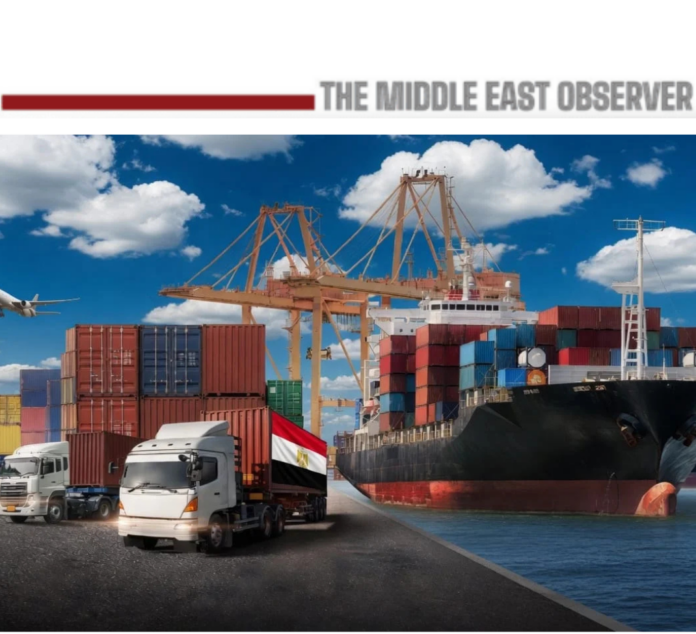
CAIRO — Egypt is accelerating an export-led growth strategy anchored in digital reform, as the Ministry of Industry (Egypt) unveiled a new platform designed to streamline trade procedures and enhance export competitiveness, according to an official statement.
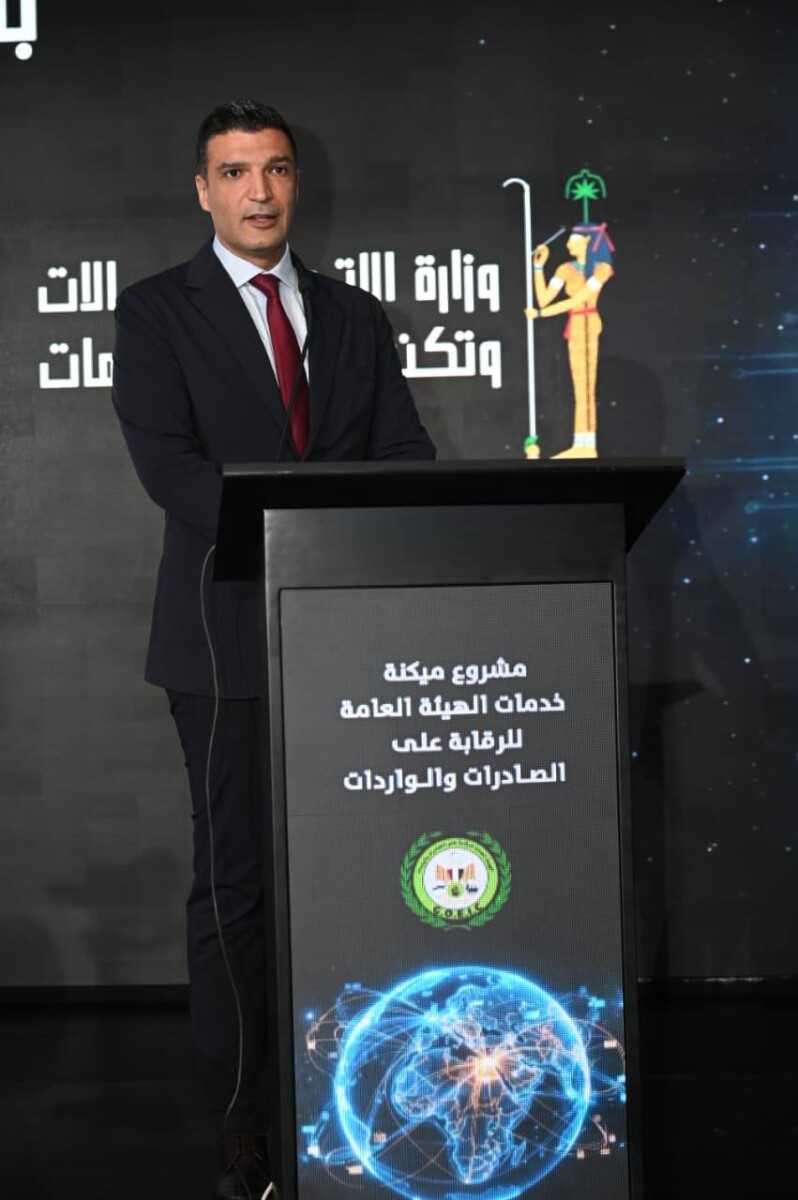
Minister of Industry Khaled Hashem announced the rollout of an electronic system for environmental and quality compliance verification and specialised conformity units under the General Organization for Export and Import Control (GOEIC). The platform digitalises certification processes that are increasingly critical for market access, particularly in jurisdictions with tightening environmental and regulatory standards.
The initiative forms part of a broader strategy to raise non-petroleum exports to $99 billion by 2030, up from current levels estimated in the mid-$30 billion range, implying a significant scale-up in export capacity over the remainder of the decade. The government’s approach centres on deepening local manufacturing, expanding value-added industries, and strengthening intermediate and feeder sectors to reduce import dependency and improve the trade balance.
Developed in coordination with the Ministry of Investment and Foreign Trade (Egypt) and the Ministry of Communications and Information Technology (Egypt), the platform incorporates technical contributions from Microsoft and is implemented by Interact Technology Solutions. Officials say it will reduce administrative timelines, improve data transparency, and facilitate faster certification cycles, all of which are key constraints for exporters.
The system is expected to play a critical role in aligning Egyptian exports with evolving global requirements, including environmental, social, and governance (ESG) standards, product traceability, and quality assurance frameworks. These factors are becoming increasingly important as major markets introduce stricter compliance regimes, such as carbon-related trade measures and sustainability-linked import regulations.
Officials emphasised that the platform will deliver a more integrated user experience for exporters, enabling easier access to services, more reliable documentation, and improved coordination between regulatory bodies. By consolidating verification and conformity processes, the system aims to enhance the credibility of Egyptian products and support their penetration into high-value international markets.
The initiative also reflects Egypt’s broader push toward green and sustainable industrial development, where compliance with environmental standards is no longer optional but a prerequisite for global competitiveness. This aligns with national efforts to modernise industrial infrastructure while supporting long-term economic resilience.
As The Middle East Observer notes, the platform signals a structural shift toward digitally enabled trade infrastructure, where efficiency, compliance, and reliability are emerging as decisive factors in export performance. The Middle East Observer highlights that achieving the $99 billion export target will depend not only on expanding production capacity, but on closing the gap between regulatory systems and global market requirements, ensuring that Egyptian exporters can compete effectively in an increasingly standards-driven global economy.