
Amazon is preparing a major overhaul of its hardware strategy with a project codenamed “Kittyhawk”—an internal initiative to replace its in-house Fire OS with Android on future Fire tablets. According to people familiar with the matter, the first Android-based device could arrive as early as 2025 with a price point of about $400, nearly double Amazon’s current high-end Fire Max 11.
The shift represents a philosophical departure for Amazon, which has long sought to control its hardware ecosystem through proprietary operating systems, often subsidizing devices and relying on service revenues to drive profit. By adopting open-source Android, Amazon is moving closer to the mainstream market and aiming to address a longstanding weakness: app compatibility.
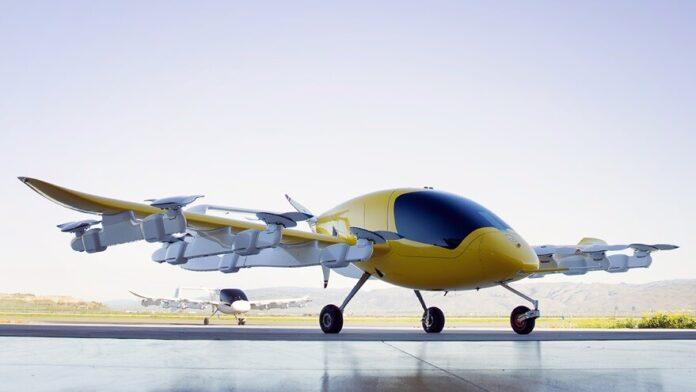
The project’s code name carries symbolic weight. Kitty Hawk, North Carolina was the site of the Wright brothers’ first powered flight in 1903—a metaphor for Amazon’s attempt to lift its hardware ambitions into a higher orbit. But the name also evokes the failed Kittyhawk flying car startup backed by Google co-founder Larry Page, which collapsed after consuming hundreds of millions in funding. Analysts suggest Amazon’s naming choice reflects the project’s dual nature: a high-potential launch with equally high risk. “This could finally give Amazon’s tablets the momentum to compete in the mid-tier market,” said Ben Bajarin, CEO of Creative Strategies. “But it could also be another Fire Phone moment if they can’t differentiate on value.”
Amazon currently holds 8% of the global tablet market, according to IDC, trailing Lenovo at 8.2% and far behind Apple (33.1%) and Samsung (18.7%). Fire tablets have historically been priced at or near cost, serving primarily as gateways to Amazon’s digital services. That model has worked in volume terms but has limited margins and left Amazon stuck in the low end of the market. By pricing the upcoming Android tablet around $400, Amazon is signaling an intent to push into the mid-to-premium segment, where average selling prices—and profit potential—are higher. “This is less about selling cheap hardware and more about building a credible competitor to Apple and Samsung in a profitable tier,” said Jitesh Ubrani, an analyst at IDC. “The risk is that Amazon’s brand strength in tablets is tied to affordability, not performance.”
Amazon has historically operated its hardware division as a loss-leader strategy: Fire tablets, Kindle readers, and Echo devices are often sold at or near manufacturing cost, with revenue recouped through digital services such as e-books, Prime subscriptions, and video rentals. By moving into the $350–$500 segment with Android tablets, Amazon could significantly improve hardware margins, even if unit sales volumes decline relative to its cheaper models. Analysts estimate gross margins on current Fire devices hover in the single digits, while mid-tier Android tablets typically earn between 15–20% margins before marketing costs.
If Amazon captures just 5% of the premium Android tablet segment—a market worth roughly $20–25 billion annually—that could translate into an additional $1–1.5 billion in annual revenue, with higher per-unit profitability. More importantly, tighter integration with the Android ecosystem could increase consumer retention, boosting cross-sales of Amazon Prime, Alexa-enabled services, and its growing advertising business.
To investors, Amazon’s strategy invites comparison with two market leaders: Apple and Samsung.
- Apple commands the highest margins in the industry, with iPads priced from $350 to over $1,200. Analysts estimate iPad hardware margins exceed 30%, but the real profitability comes from Apple’s services ecosystem, which now contributes nearly a quarter of its revenue. By locking users into iOS, Apple drives recurring revenue through App Store fees, iCloud, Apple Music, and more.
Investor takeaway: Apple shows how premium hardware can be leveraged into a services engine—something Amazon hopes to replicate by using Android to broaden Fire’s appeal, while tying users to Prime and digital content. - Samsung, by contrast, operates on slimmer hardware margins (closer to 15–18%) but leverages scale across its vast consumer electronics and semiconductor businesses. Samsung’s tablets integrate tightly with its Galaxy ecosystem but remain more fragmented than Apple’s.
Investor takeaway: Samsung demonstrates how volume and ecosystem synergy can sustain profitability in a competitive Android landscape—something Amazon could emulate if it succeeds in scaling Android tablets across multiple tiers.
Amazon’s unique challenge is that, unlike Apple and Samsung, its primary profit centers lie outside hardware—in retail, cloud (AWS), and advertising. As such, the tablet strategy must justify itself not only in device sales but in how effectively it boosts engagement with Amazon’s broader ecosystem.
“Apple monetizes through services, Samsung through hardware scale,” said Avi Greengart, analyst at Techsponential. “Amazon’s play is different—it’s about turning every tablet into a shopping cart, a Prime subscription tool, and increasingly, an AI-driven gateway.”
For investors, Kittyhawk illustrates Amazon’s evolving hardware strategy. The company has historically shunned outside platforms, with mixed results: the Fire Phone’s 2014 collapse led to a $170 million writedown. More recently, however, Amazon has shown a greater willingness to leverage third-party technologies, from its Anthropic investment in AI to integrating rival services into Alexa.
If successful, the Android pivot could reduce development costs, increase app ecosystem appeal, and extend the lifecycle value of Fire devices. It also creates a clearer hardware ladder for Amazon—low-cost tablets running its Linux-based Vega OS on one end, and higher-margin Android tablets on the other.
Still, the move risks intensifying competition with Samsung, while leaving Amazon more exposed to fluctuations in consumer electronics margins.
Amazon’s Kittyhawk project encapsulates both ambition and risk. If it succeeds, Amazon could finally break into the higher-value tablet market, improve margins, and create a platform for AI-enabled services. But if execution falters—or if consumers resist paying premium prices for a Fire device—the effort could echo the company’s past hardware missteps.
For investors, the key question is whether Kittyhawk becomes a Wright brothers moment—a leap forward—or another costly reminder that even giants struggle to take flight in hardware.
