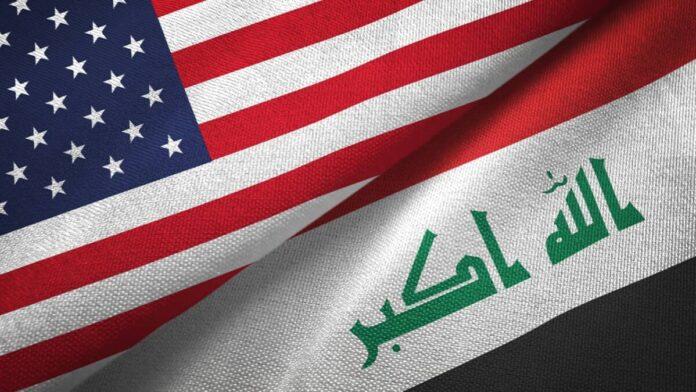
Iraq has taken a significant step toward reinforcing its energy ties with the United States, signing an agreement in principle with oil giant Chevron to develop multiple exploration blocks and expand upstream production. The deal, announced in Baghdad and attended by Prime Minister Mohammed Shia Al-Sudani, marks one of the most prominent U.S.-Iraq energy partnerships in recent years.
The Nassiriya project, located in the oil-rich south, will be the centerpiece of the agreement, covering four exploration blocks. In addition, Chevron will play a role in developing the Balad oil field in central Iraq and exploring other potential assets.
Al-Sudani welcomed Chevron’s delegation, led by Vice President Frank Mount, underscoring that the Iraqi government is pursuing a new approach to working with global energy majors—particularly American firms. “Chevron brings more than capital—it brings expertise in technology, environmental standards, and job creation,” Al-Sudani told Iraqi officials, according to government sources.
The agreement reflects Washington’s growing interest in anchoring investment bridges in Iraq’s economy. Over the past year, U.S. officials have sought to encourage American companies not only in oil and gas but also in infrastructure, power generation, and financial services. This renewed push comes as Iraq seeks to diversify investment partners beyond traditional actors such as China and Iran. “Chevron’s return is not just about oil—it’s about re-establishing U.S. commercial presence in Iraq after years of uncertainty,” said Dr. Raad Alkadiri, Managing Director for Energy at Eurasia Group. “Energy is the cornerstone, but these agreements also provide a platform for broader U.S.-Iraq economic cooperation.”
Iraq remains one of the world’s top oil exporters, but decades of conflict, underinvestment, and infrastructure bottlenecks have slowed development. The government’s pivot to attract American firms signals a balancing act between maintaining ties with Asian and Middle Eastern investors while reviving Western engagement. The deal also aligns with Iraq’s long-term ambition to increase crude output beyond 5 million barrels per day and to make fuller use of its vast natural gas reserves, much of which are currently flared. Chevron’s expertise in integrated gas solutions is seen as critical to these efforts.
Sources close to the Iraqi Oil Ministry told Al-Sabah that the Chevron agreement is part of a wider framework being negotiated with the U.S. Trade and Development Agency (USTDA) and the Department of Energy to support investment in renewable energy pilot projects and petrochemical ventures. While not yet public, the talks are expected to be announced in late 2025 as part of a broader U.S.-Iraq investment package. This move reflects Baghdad’s interest in leveraging U.S. partnerships to modernize its energy mix and reduce overdependence on oil revenues.
For Washington, expanding U.S. corporate presence in Iraq has both economic and geopolitical motivations. Analysts argue that it strengthens Iraq’s ties with Western markets, counters Chinese influence, and ensures that American firms play a role in shaping Iraq’s next phase of energy development. “Iraq has been a swing state in regional energy geopolitics,” said Michael Knights, senior fellow at the Washington Institute for Near East Policy. “By deepening partnerships with U.S. firms like Chevron, Baghdad signals that it is looking West as much as East.”
The Chevron agreement marks more than an oil deal—it is a litmus test of Iraq’s ability to attract and retain U.S. investment across its economy. If successfully implemented, it could open the door for further U.S.-Iraqi cooperation in infrastructure, renewables, and finance, solidifying Baghdad’s role as a bridge between American capital and Middle Eastern markets.