
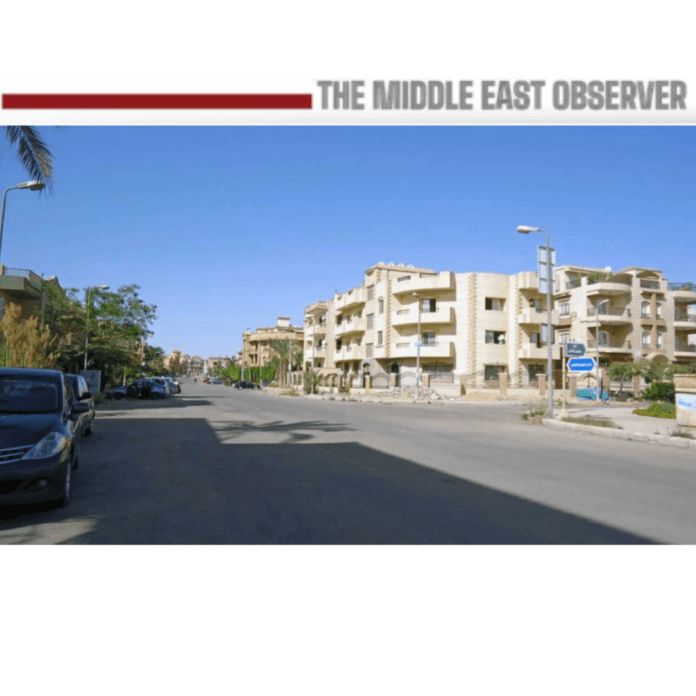
Cairo — Sudanese capital inflows into Egypt have accelerated sharply since the outbreak of conflict in Sudan in April 2023, with total real estate investments now estimated at nearly $40 billion—up from approximately $23 billion prior to the crisis, according to the Federation of Sudanese Industries and reporting by Sudan Tribune.
The surge reflects a dual dynamic of forced migration and capital relocation. Estimates from international organizations and diplomatic sources suggest that between 4 and 6 million Sudanese nationals are now residing in Egypt, including at least 1.5 million who have arrived since the conflict began. This influx has driven substantial demand across Egypt’s housing, education, and healthcare sectors, particularly in urban centres such as Cairo, Giza, and Alexandria.
As The Middle East Observer observes, the scale of this movement has begun to reshape segments of Egypt’s economic landscape. Sudanese investors have become among the most active foreign participants in the real estate market, with notable concentration in New Cairo, 6th of October City, and coastal developments.
Beyond property, the relocation of industrial capacity is emerging as a defining feature of the shift. Sudanese manufacturers have increasingly moved operations to Egypt, leveraging relatively lower capital costs, more reliable infrastructure, and higher labour productivity. In many cases, production is maintained for export back to Sudan, effectively repositioning Egypt as an operational base for displaced industries.
This transition aligns with Egypt’s broader industrial policy framework. Authorities, including the General Authority for Investment and Free Zones, have sought to facilitate foreign investment and localize production through the development of dedicated industrial zones, particularly in Upper Egypt. Reports indicate that specific zones are being structured to accommodate Sudanese investors, reinforcing Egypt’s positioning as a regional manufacturing hub.
However, the transition has also highlighted areas for further alignment. Sudanese business representatives have noted certain challenges related to residency procedures, administrative requirements, and financial deposit conditions, which may influence the ease of long-term investment planning.
For Sudan, the economic implications are significant. Industry estimates suggest that the displacement has diverted approximately $7 billion annually in remittances, redirecting financial flows toward sustaining displaced communities in Egypt rather than supporting the domestic economy.
The Middle East Observer notes that this evolving dynamic represents more than a temporary response to crisis. Instead, it signals a potential structural realignment of capital and industrial activity within the region. Egypt’s ability to absorb and integrate Sudanese investment—while addressing regulatory and operational challenges—will be central in determining whether this trend translates into sustained economic gains.
