Egypt’s tourism sector has received renewed international recognition after Sharm El Luli in Marsa Alam was highlighted among the world’s leading coastal destinations for 2026, according to a global beach ranking cited by the UK’s Daily Mail and reported by Russian travel platform TourProm.
The rankings spotlighted three standout destinations this year: Crete in Greece, Fethiye in Turkey, and Egypt’s Sharm El Luli, with the Egyptian Red Sea destination outperforming several internationally renowned Caribbean beaches in key evaluation categories.
According to the expert jury, the selected beaches were assessed not only on scenic beauty and marine biodiversity, but also on environmental preservation, affordability, accessibility, and what specialists described as the “optical index,” measuring water clarity and overall visual quality.
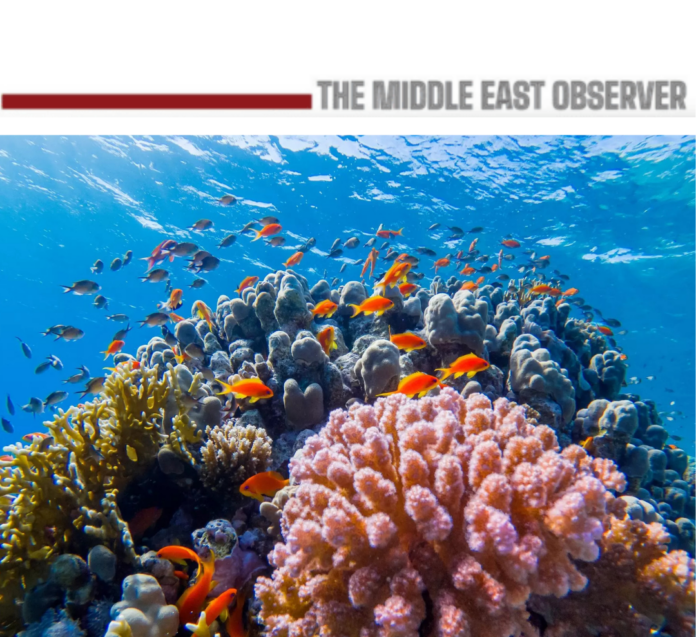
For Egypt, the recognition further reinforces Marsa Alam’s growing international profile as one of the Red Sea region’s premier eco-tourism destinations. Sharm El Luli, previously recognized by Tripadvisor in 2018 as the Middle East’s best beach, was praised for maintaining a rare balance between isolation and accessibility.
The jury described the beach as “the only place in the world that offers tourists a sense of total seclusion without sacrificing accessibility,” citing its untouched coastline, expansive coral gardens, and striking white sand formations.
Located along Egypt’s southern Red Sea coast, Sharm El Luli has largely remained free from large-scale hotel expansion, a factor increasingly valued by international travelers seeking sustainable and nature-oriented tourism experiences.
The report further noted that Marsa Alam’s waters maintain temperatures of around 26 degrees Celsius, while underwater visibility can extend up to 30 meters — conditions that continue to position the area among the world’s leading diving and snorkeling destinations.
Egyptian tourism authorities have increasingly promoted Marsa Alam and the southern Red Sea corridor as central pillars of the country’s sustainable tourism expansion strategy, particularly as global demand rises for environmentally preserved coastal destinations.
The rankings also highlighted Elafonisi Beach in Crete, Greece, which secured second place globally due to its ecological preservation and distinctive pink coral sands, while Turkey’s Ölüdeniz Blue Lagoon in Fethiye ranked fifth worldwide, benefiting from its mild microclimate and protected lagoon conditions popular among paragliding enthusiasts.
Tourism analysts note that such international recognition comes at a strategically important time for Egypt’s tourism industry as the country continues expanding high-value coastal, diving, and eco-tourism offerings beyond traditional mass-market destinations.
As The Middle East Observer notes, the ranking reinforces Egypt’s growing visibility within the global premium and eco-tourism market, particularly as international travelers place increasing emphasis on environmental quality, authenticity, and sustainable travel experiences.