
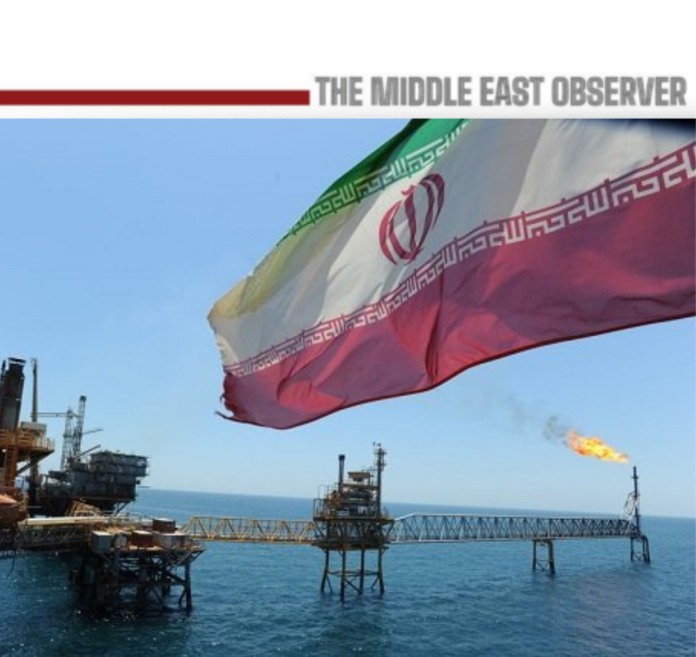
Iran is moving quickly to reinsert itself into Asia’s energy market after a temporary US sanctions waiver opened a narrow window for renewed oil trade, offering discounted crude to Indian refiners as it seeks to rebuild customer relationships lost during years of sanctions.
Industry sources said the National Iranian Oil Company and regional intermediaries have approached Indian buyers with crude priced around $3–4 per barrel below comparable Middle Eastern grades on a landed basis. The offers mark Iran’s first serious attempt to test demand among Asian refiners and challenge the position of Gulf suppliers that have filled the gap since India halted Iranian crude imports in 2019.
The commercial opportunity remains limited in the near term. Indian refiners have already secured most of their requirements through August and remain tied to annual contracts with established Middle Eastern suppliers. Buyers are also seeking clarity on payment mechanisms, banking channels and insurance arrangements, all of which remain critical given the temporary nature of the sanctions relief.
Iranian Petroleum Minister Mohsen Paknejad discussed potential crude and liquefied petroleum gas exports during a visit to New Delhi this week, underscoring Tehran’s efforts to restore energy ties with one of its former largest customers. Iran was India’s second-largest crude supplier in the 2010/11 financial year before tighter US sanctions forced New Delhi to phase out purchases.
The immediate volume impact may therefore be modest. Yet the strategic signal is more important: Iran is using price to regain visibility in Asia’s procurement market. Even limited Iranian cargoes could give large importers such as India additional leverage when negotiating with Gulf producers on pricing, freight and contract flexibility.
For Middle Eastern exporters, the return of discounted Iranian barrels would add a fresh competitive layer to Asia’s oil trade. If sanctions relief is extended or broadened, the contest is likely to move beyond price into payment terms, logistics, refinery compatibility and long-term customer relationships.
Iran’s offers are therefore less a sign of instant market disruption than the opening move in a renewed race for Asian demand. The first battle may be fought through discounts, but the larger competition will be over which producers can secure the region’s fastest-growing energy buyers over the long term.
Related news:
Iran Proposes Crypto-Based Transit Fees for Oil Tankers in Strait of Hormuz
Insurance, Not Oil, Is Becoming the Iran War’s Biggest Trade Shock
Read also:
Words Matter: How Words, Images and Headlines Shape Public Understanding
Why Cairo Film Connection’s Sundance Partnership Matters for Arab Documentary Cinema
