
ISMAILIA — Egypt plans to channel investments of up to EGP 12 billion (approximately $240 million) into its Vaccine and Biotechnology City by 2030 as Cairo seeks to strengthen pharmaceutical self-sufficiency, reduce reliance on imported vaccines and position itself as a regional manufacturing hub serving African and Middle Eastern markets.
The project forms part of a broader strategy to localize advanced biotechnology industries and capitalize on growing demand for vaccine production across emerging markets. The initiative comes as governments throughout Africa continue efforts to build domestic healthcare manufacturing capabilities following the supply-chain disruptions exposed during the Covid-19 pandemic, which highlighted the continent’s heavy dependence on imported vaccines and pharmaceutical products. According to international health agencies, Africa currently imports more than 90% of the vaccines it consumes, prompting policymakers across the continent to prioritize local manufacturing and supply-chain resilience.
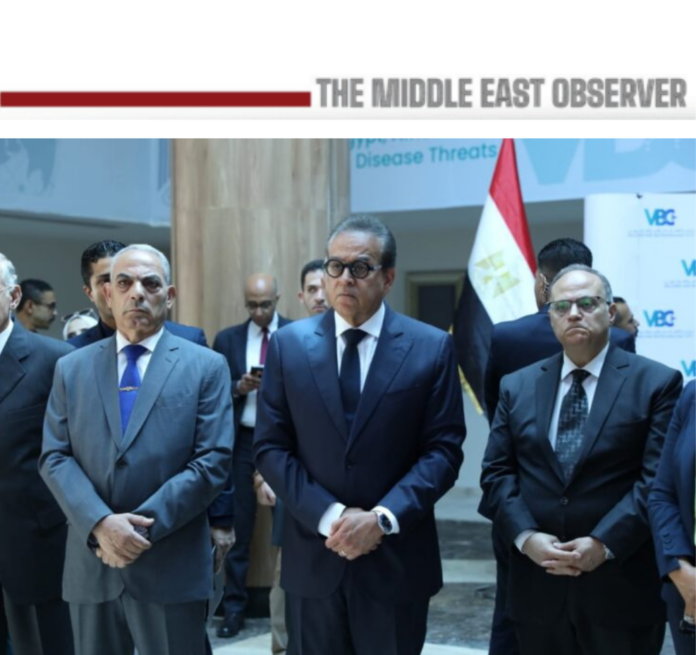
During a visit to the facility in Ismailia, Health and Population Minister Khaled Abdel Ghaffar described the project as a strategic partnership involving government entities, foreign partners and Egyptian investors, emphasizing its role in strengthening Egypt’s long-term health security and biotechnology ecosystem.
The minister said the city is intended to serve as a cornerstone of Egypt’s ambition to become a leading biotechnology and vaccine-production centre in Africa and the Middle East. Beyond supporting domestic demand, officials see the complex as a potential export platform capable of supplying regional markets seeking reliable access to vaccines and biopharmaceutical products.
Egypt is seeking to leverage its industrial base because of the competition with South Africa, Morocco, Saudi Arabia, and the UAE.
Competition to establish regional biotechnology hubs has intensified in recent years, with countries including South Africa, Morocco, Saudi Arabia and the UAE expanding investments in pharmaceutical manufacturing and life sciences. Egypt is seeking to leverage its industrial base, strategic location and growing healthcare infrastructure to secure a larger role within this evolving regional landscape.
The project is expected to generate approximately 1,500 skilled jobs and support the development of specialized national expertise through the city’s dedicated training academy. The facility aims to strengthen local capabilities in biotechnology research, vaccine manufacturing, quality control and regulatory compliance, supporting Egypt’s broader human-capital development objectives under Vision 2030.
A key feature of the complex is its adoption of the “One Health” model, integrating human and veterinary vaccine production within a single ecosystem. The approach is designed to improve preparedness against diseases that affect both humans and animals while enhancing coordination between public health, agricultural and environmental sectors.
Officials also highlighted the city’s integrated cold-chain infrastructure, advanced storage systems and strategic reserve capabilities, which are expected to strengthen Egypt’s readiness for future epidemics and health emergencies. Sustainability features, including solar and clean-energy systems, have been incorporated as part of efforts to reduce the environmental footprint of industrial operations.
During the visit, Abdel Ghaffar reviewed training activities, vaccine filling operations and three production lines with a combined annual capacity of 140 million doses. He also inspected utility facilities, water-treatment systems, power-generation units and approximately 9,000 square metres of specialized cold-storage infrastructure built to international standards.
Egypt’s Vaccine and Biotechnology City reflects in its economic policy
From an economic perspective, the project is expected to contribute to import substitution by reducing Egypt’s dependence on externally sourced vaccines and biotechnology products, helping preserve foreign-currency reserves. Over time, officials anticipate that increased domestic production and export activity could support the emergence of a higher-value pharmaceutical manufacturing sector capable of generating new revenue streams and strengthening Egypt’s position within regional healthcare supply chains.
As countries across Africa and the Middle East accelerate efforts to secure healthcare resilience and local manufacturing capacity, Egypt’s Vaccine and Biotechnology City represents one of the country’s most ambitious attempts to combine health security, industrial policy and export-oriented growth within a single strategic project. The initiative also reflects a broader shift in economic policy, as biotechnology and life sciences increasingly emerge alongside energy, logistics and advanced manufacturing as strategic industries driving investment, innovation and long-term economic competitiveness.
Related news:
WHO Warns of Mounting Health Crisis Across Conflict-Affected Middle East
Egypt Signs $3.38m Agreement with WHO and Japan to Strengthen Emergency Healthcare
Read also:
Energy Security Drives China’s Response to Gulf Oil Crisis
The Harborne-Farage Gift vs Immigration: Which Debate Will Shape the West’s Future?