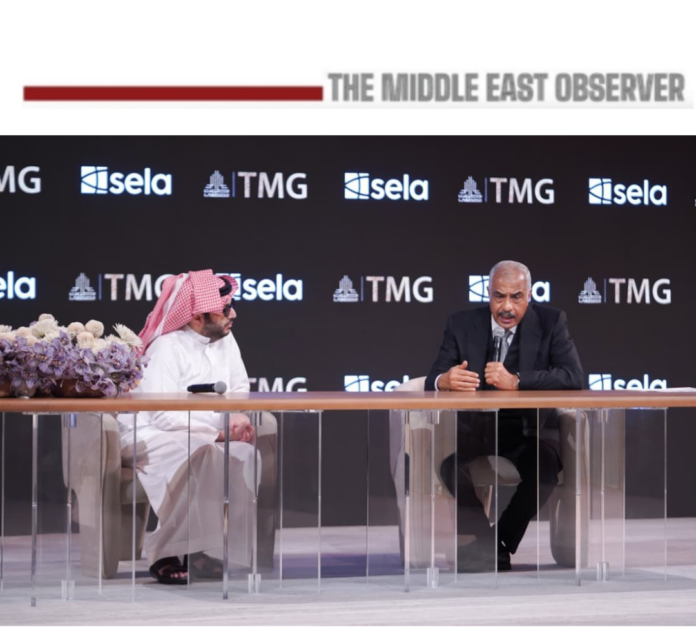
A new strategic alliance between Sela, a subsidiary of Saudi Arabia’s Public Investment Fund, and Talaat Moustafa Group (TMG) is expected to extend beyond entertainment events into a broader strategy linking tourism, hospitality, and destination development across Egypt.
The agreement, signed in the presence of Turki Al-Sheikh, combines Sela’s experience in live events, festivals, and entertainment management with TMG’s extensive portfolio of residential, tourism, hospitality, and mixed-use developments.
While the partnership includes concerts, cultural seasons, sports events, and family entertainment experiences, available details suggest the alliance is not centred around launching an entirely new standalone real-estate megaproject. Instead, the initiative appears designed to activate and expand the entertainment value of TMG’s existing and future urban and tourism destinations across Egypt.
Industry analysts believe Egypt’s North Coast developments are likely to play a major role within the partnership, particularly as TMG continues expanding large-scale tourism and hospitality projects in the region, including integrated coastal destinations designed to attract both domestic and regional visitors.
The strategy reflects a wider regional model increasingly adopted across Gulf markets, where entertainment, tourism, hospitality, and real-estate development are integrated into unified lifestyle and destination ecosystems aimed at generating year-round economic activity rather than relying solely on seasonal tourism demand.
Under the agreement, Sela will oversee entertainment operations, festivals, concerts, and live experiences, while TMG will provide destination infrastructure, hospitality assets, and community developments capable of supporting year-round large-scale entertainment activity.
One of the projects announced under the alliance is “CORRIDOR,” described as a cross-border entertainment platform linking Saudi Arabia and Egypt through coordinated cultural and entertainment experiences operating across both markets.
For investors, the alliance signals growing integration between Gulf capital, Egyptian tourism infrastructure, and the broader entertainment economy, particularly as Egypt seeks to reposition destinations such as the North Coast into year-round regional tourism and leisure hubs rather than seasonal summer markets.
For consumers and tourism operators, the expansion could gradually reshape parts of Egypt’s hospitality landscape by introducing more continuous entertainment programming, international live events, and integrated leisure experiences tied to major residential and tourism developments.
As The Middle East Observer notes, the strategic importance of the partnership lies not only in entertainment expansion itself, but in the growing role of entertainment infrastructure as a driver of tourism revenues, hospitality demand, recurring consumer spending, and long-term real-estate value creation across Egypt’s evolving tourism economy.