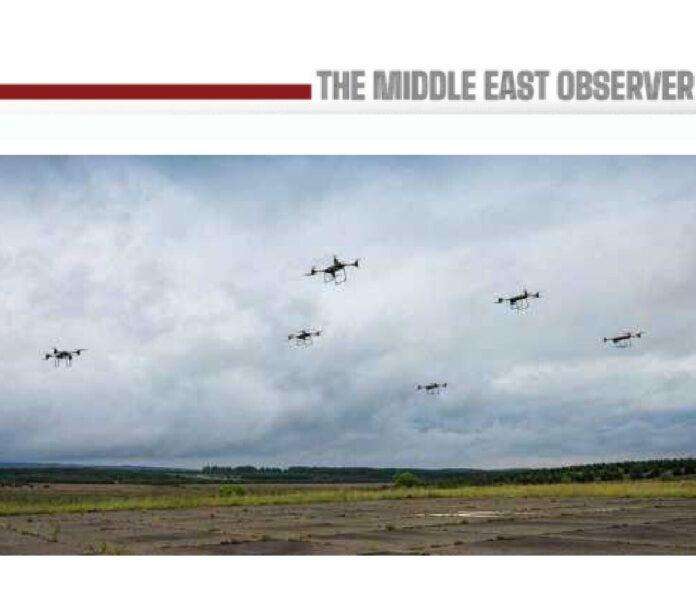
The architecture of modern conflict is undergoing a decisive shift, moving away from conventional frontlines toward the deliberate disruption of economic arteries that sustain nations and markets alike. Ukrainian drone strikes on Russian export infrastructure, particularly the Baltic terminals of Ust-Luga and Primorsk, demonstrate how precision attacks on energy hubs can threaten substantial volumes of global supply. These assets are no longer logistical nodes but strategic targets in a battlespace where economic leverage is pursued through disruption rather than territorial control.
This doctrine is increasingly evident in the Middle East, where tensions involving Iran have elevated energy infrastructure and maritime corridors into primary theatres of confrontation. Threats to the Strait of Hormuz—through which roughly one-fifth of global oil flows—highlight the scale of risk. Any sustained disruption immediately transmits volatility into global markets, undermining supply stability and amplifying price pressures.
The consequences are no longer geographically contained. Disruptions to energy systems cascade into inflation, rising transport costs, and fiscal strain, disproportionately affecting import-dependent economies. Warfare has thus evolved into a system-driven model, where global citizens are directly exposed through economic transmission channels.
The current escalation reflects a critical miscalculation in assuming such conflicts can be contained. The elimination of key leadership figures within Iran risks hardening positions and accelerating confrontation, while misjudgments in impact and preparedness by Israel and the United States have contributed to a deeply entrenched standoff. Each side now advances positions the other deems unacceptable, narrowing the scope for diplomatic convergence.
In this environment, the absence of a structured and time-bound framework for de-escalation is a critical gap. Traditional diplomacy is too slow for conflicts whose impacts are immediate and global. What is required is a clear, enforceable mechanism that protects energy infrastructure, secures strategic corridors, and imposes defined timelines for de-escalation.
This reality calls for the establishment of a Global Peace Board—an empowered, standing body mandated to enforce rules of engagement, safeguard critical economic systems, and activate rapid response mechanisms during escalation. Such a framework must operate with clear authority, technical capacity, and coordinated international backing, extending beyond mediation to include monitoring and compliance enforcement.
In an era where wars are fought through systems rather than borders, peace must be governed with equal structure and urgency. Without such a mechanism, the cycle of disruption will persist, with consequences borne not regionally, but by the global economy at large.