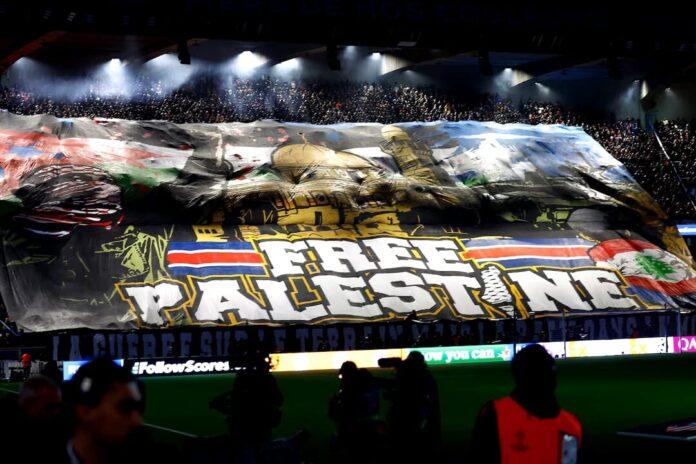
In the lead-up to a Europa League match between Ajax and Maccabi Tel Aviv, the city of Amsterdam became a hotspot of conflict, drawing widespread international attention. The chaotic events, marked by clashes between Maccabi Tel Aviv supporters and pro-Palestinian protesters, resulted in numerous arrests and hospitalizations, with implications reaching far beyond the realm of sports.
What might typically be dismissed as a “football fans mass misconduct” took a severe turn due to the geopolitical backdrop involving Israeli-Palestinian tensions. As supporters of Maccabi Tel Aviv flooded into Amsterdam before the match, their presence coincided with a pro-Palestinian demonstration in Dam Square. Demonstrators rallied against perceived injustices in Gaza, setting the stage for confrontation.
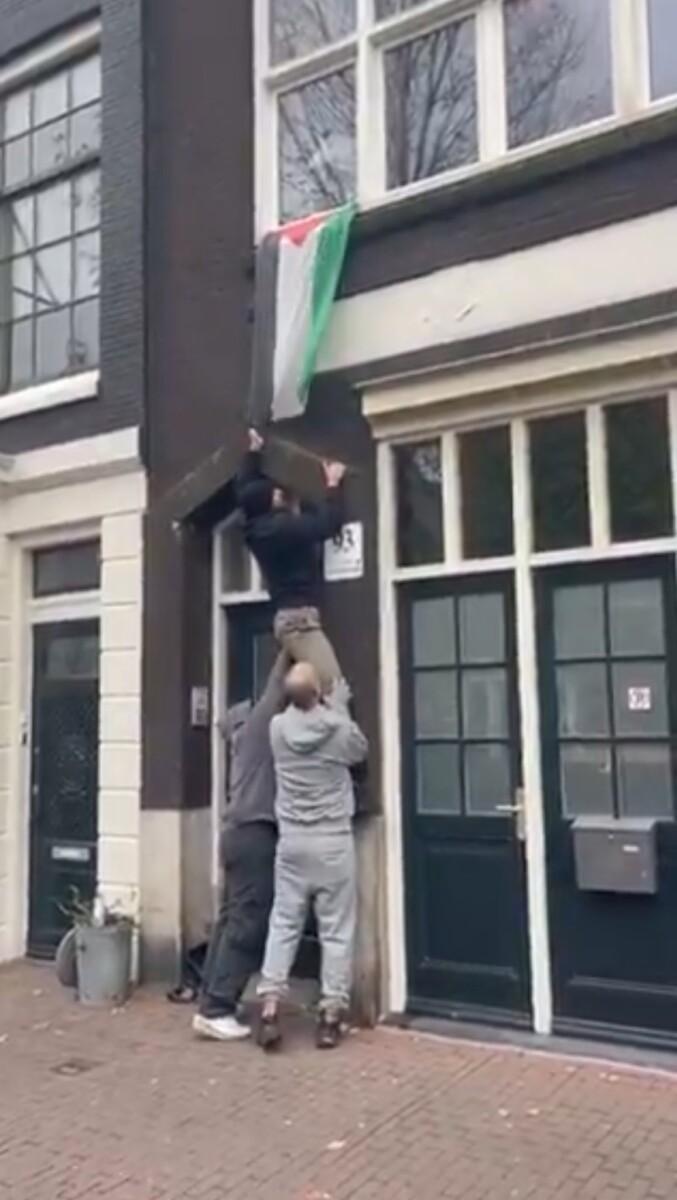
Reports indicate that groups of Maccabi fans roamed the city, engaging in altercations with protesters and tearing down Palestinian flags. Incidents of vandalism were noted, including the burning of a flag and damage to a taxi, acts condemned by local authorities. As tensions escalated, videos circulated depicting fans chanting incendiary slogans, exacerbating the situation.
Despite a significant police deployment on the day of the match, clashes persisted. The match concluded with Ajax triumphing 5-0, during which Maccabi fans disrupted a moment of silence for victims of the recent floods in Valencia, which reflects a mass unacceptable act, but the focus swiftly shifted to the streets, where Dutch authorities had to escort Maccabi fans to safety. However, some fans remained vulnerable, encountering hostility from local groups. These altercations were characterized by violence, adding to the already fraught atmosphere.

In the aftermath, Amsterdam police arrested 62 individuals, although only a fraction remained detained by the next day. Five Israeli nationals required medical attention, but have since been released from the hospital.
Media coverage of the incidents has been polarized, with narratives diverging sharply. Many reports in Western media have portrayed the events as unprovoked attacks on Israeli fans, emphasizing allegations of antisemitism. Yet, this perspective is challenged by accounts highlighting the aggressions initiated by some Maccabi supporters.
The broader context of these events underscores ongoing sensitivities related to Middle Eastern conflicts and their reverberations worldwide. As international figures, including high-profile politicians and renowned Newspapers and sites, addressed and altered all the incidents towards antisemitism!
The situation in Amsterdam reveal the blind bias to the state of Israel’s actions, that have exceeded ignoring genocide and daily showcasing of the IDF power in killing children and civilians, while expect the world to accept their bragging about it in their chants when going to a match, for whatever their actions are, they will be forgiven by Governments. But not the people and certainly history will recite the Israeli intensified persecution and the ethnic cleansing of Palestinians we are witnessing, as 80 years ago Anne Frank’s diary offered us a powerful reminder of the horrors of war and the resilience of the human spirit.
This serves as a reminder that social media is sometimes perceived as an accurate and reliable source on various topics. It underscores the importance of balanced reporting by mainstream media, which has long upheld principles of neutrality and credibility.