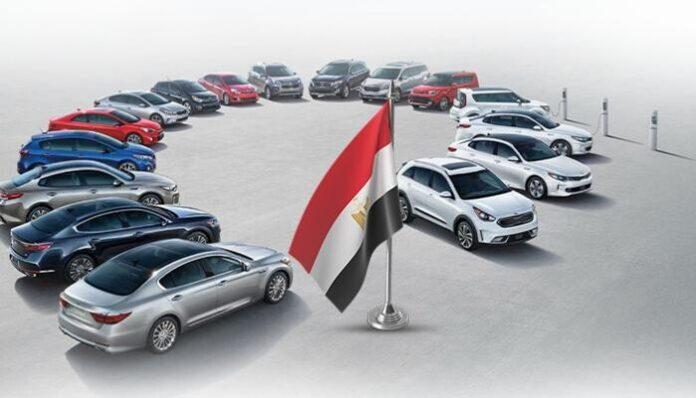
Egypt’s automotive sector achieved a remarkable upswing in the first seven months of 2025, with total vehicle sales rising 83.02% year-on-year, hitting 90,100 units, according to the Automotive Market Information Council (AMIC). Passenger cars accounted for the bulk of this surge, increasing 79% to 69,790 units, while bus and truck sales climbed 54.4% and 121.8% respectively.
Chevrolet led the market with a 17.9% share (16,100 units), followed by Nissan (14.6%), Chery-Ghabbour (11%), Hyundai (10.4%), and MG (9.1%). July alone saw sales jump 36.9% year-on-year, a sharp contrast to the slump in 2024, when foreign currency shortages and import restrictions squeezed supply.
Chinese manufacturers have been among the standout beneficiaries of the rebound, leveraging their ability to supply competitively priced passenger cars at scale. Chery, MG, and other Chinese brands now account for nearly a third of Egypt’s passenger car market. European marques also posted strong growth, with sales more than doubling year-on-year, while American-brand sales expanded over 800%, albeit from a low base. Japanese and Korean automakers held their ground, recording steady, if more modest, growth.
The recovery has been fueled in part by an easing of import bottlenecks following government measures to prioritize automotive shipments through the ports. Nevertheless, the Central Bank’s foreign exchange management remains a key risk factor, with some dealers still reporting intermittent delays.
Egypt’s Automotive Industry Development Strategy (2024–2030) aims to reduce this dependence by ramping up local assembly to 400,000–500,000 units annually. Partnerships with Nissan, Chery, and state-owned El-Nasr Automotive—which is re-entering car production in 2025—are seen as crucial to insulating the sector from external supply shocks.
By regional standards, Egypt’s rebound is eye-catching but still leaves it trailing Morocco and Turkey in scale. Morocco, a magnet for European OEMs such as Renault and Stellantis, produced over 500,000 vehicles in 2023, the bulk of which were exported. Turkey, a long-established hub for Ford, Toyota, and Fiat, manufactures more than 1.3 million vehicles annually. Egypt’s renewed growth highlights potential, but also underscores the gap it must close to become a competitive export hub in the wider MENA–Mediterranean market.
Analysts argue that sustaining the current pace will require macroeconomic stability, continued foreign currency easing, and deeper supply-chain localization. For now, the leap signals a rebound from the industry’s sharp contraction in 2023–24, with Egypt’s market showing renewed promise as a driver of economic activity and industrial development.