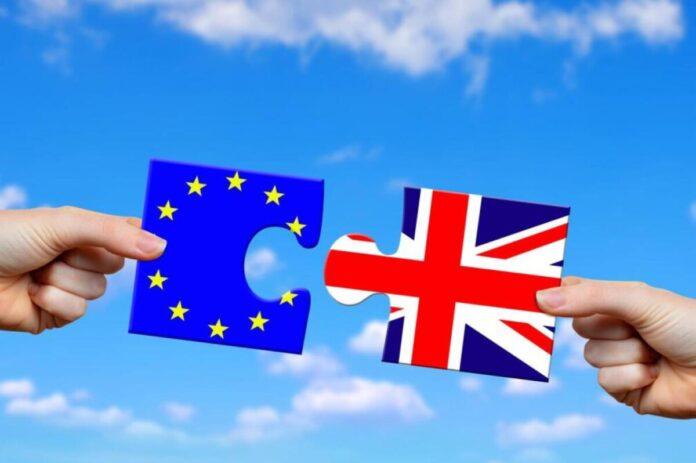
Brussels and London are on the cusp of finalizing a landmark security and defence partnership, signaling a significant shift in post-Brexit relations and a concerted effort to strengthen Europe’s defence capabilities in the face of evolving global threats.
Negotiations between the European Union and the United Kingdom have intensified ahead of the upcoming summit on May 19, where leaders aim to unveil a comprehensive security pact. This agreement would facilitate joint procurement of military equipment and allow British defence firms to participate in the EU’s €150 billion Security Action For Europe (SAFE) fund, designed to enhance the bloc’s defence infrastructure.
An EU diplomat, speaking anonymously, emphasized the urgency of collaboration: “Given the current geopolitical climate, it’s imperative we partner with reliable allies like the UK to bolster our collective security.”
The proposed partnership marks a significant departure from the post-Brexit era of strained relations. Prime Minister Keir Starmer has been vocal about the need to reset ties with the EU, stating that “fragmentation would weaken us all.”
While the UK is not an EU member, the shared commitment to supporting Ukraine and countering global security threats has paved the way for renewed cooperation. The partnership is expected to include provisions for joint military exercises, intelligence sharing, and coordinated responses to emerging threats.
Despite the positive momentum, several hurdles remain. Some EU member states have expressed reservations about finalizing the pact without addressing lingering Brexit-related issues, such as fishing rights and regulatory alignments.
Additionally, the UK’s exclusion from key EU security databases post-Brexit has been a point of contention. While the new partnership aims to restore some level of information sharing, legal constraints may limit full access.
The EU’s Readiness 2030 initiative, which seeks to mobilize up to €800 billion to enhance Europe’s defence capabilities, underscores the bloc’s commitment to self-reliance in security matters.
In this context, the EU-UK partnership is seen as a pivotal component of a broader strategy to fortify Europe’s defence posture, especially amid uncertainties surrounding traditional alliances.
As the May 19 summit approaches, both sides are working diligently to finalize the agreement. The anticipated security pact not only symbolizes a thawing of post-Brexit tensions but also represents a proactive step towards a more secure and unified Europe.
This evolving partnership could serve as a blueprint for future collaborations, potentially extending to other nations like Canada, as Europe seeks to build a robust and inclusive security framework.