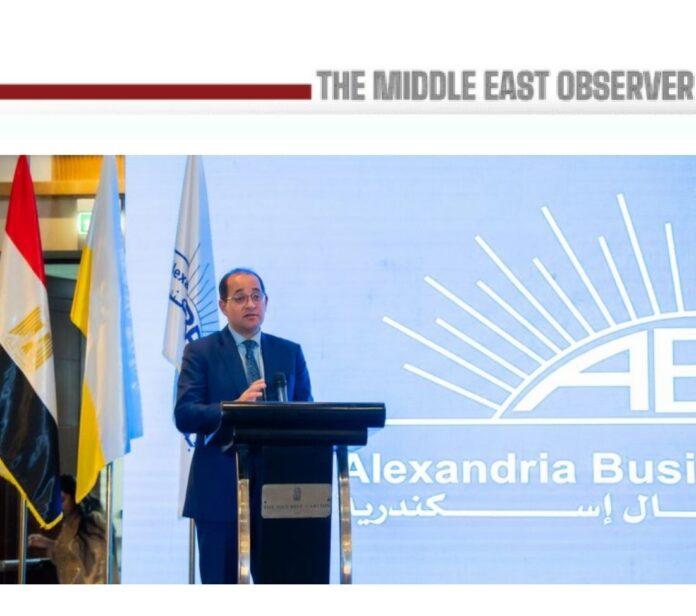
CAIRO — Egypt will provide low-cost financing to the first 100,000 small and medium-sized enterprises (SMEs) that register under its simplified tax system, as part of a broader effort to expand the formal economy and support business growth.
Finance Minister Ahmed Kouchouk said the initiative forms part of a comprehensive package of incentives aimed at encouraging voluntary tax compliance and easing operational burdens on smaller businesses.
The reform programme includes 33 legislative and executive measures offering tax exemptions, procedural simplifications and financial incentives to companies that join the system. Authorities said the concessional financing scheme is designed both to attract informal businesses into the tax framework and to support the expansion of existing SMEs.
As part of the package, the government will extend the tax dispute settlement law until the end of December, providing businesses with additional flexibility in resolving outstanding cases. Plans are also underway to introduce a “white list” and a “distinction card” to reward compliant taxpayers with faster services and preferential access to government benefits.
Further measures target improvements in liquidity through faster value-added tax (VAT) refunds. The Finance Ministry is restructuring refund departments to accelerate payouts, particularly for businesses included on the proposed “white list.” Officials noted that EGP 7.2 billion in VAT refunds were disbursed in the last fiscal year, marking a significant increase.
The reforms also include eliminating double taxation on dividend distributions between parent and subsidiary companies, simplifying procedures for writing off small debts, and expanding premium taxpayer service centres in key urban areas.
Additional steps aim to modernise the tax environment, including shifting taxation on listed securities from capital gains to stamp duty to encourage activity on the Egyptian Exchange, launching an electronic advisory platform for taxpayers, and streamlining digital procedures for company liquidation and closure.
Officials said the measures are intended to strengthen compliance, improve the business climate and support broader economic growth.