
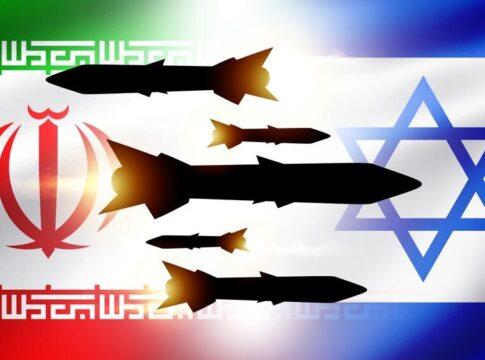
Once again the Middle East Region found itself at the center of geopolitical and economic uncertainty. As global markets braced for the fallout of a possible direct conflict between the United States and Iran, fears peaked when Iranian lawmakers suggested they could close the Strait of Hormuz, an act that would effectively paralyze a vital artery for 25% of global seaborne oil and a fifth of liquefied natural gas exports.
This came in the wake of U.S. President Donald Trump’s bold announcement that American forces had conducted strikes on Iranian nuclear sites, prompting Iran to respond with 14 missiles fired at the al-Udeid Air Base in Qatar. The attack, though dramatic, was largely symbolic: all but one missile was intercepted, and thanks to an unusual advance warning by Tehran, no casualties or damages occurred.
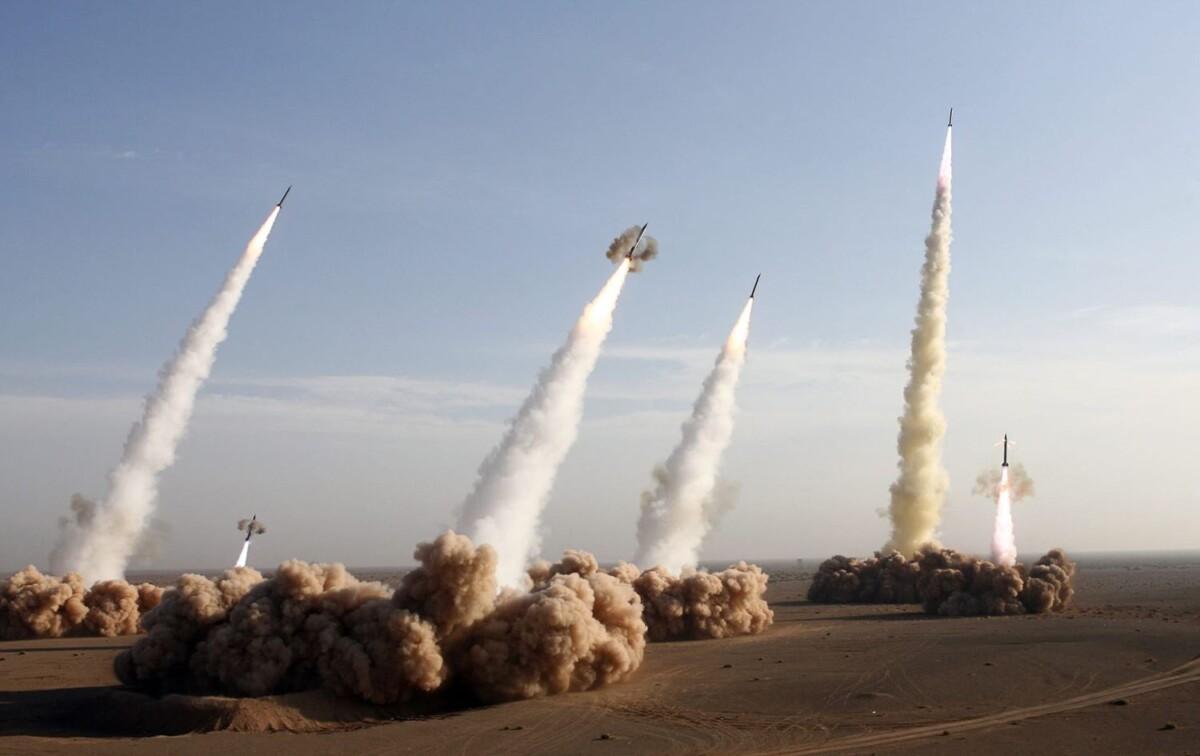
What followed was even more unexpected. In a rare moment of diplomatic reprieve, Trump declared a “complete and total” ceasefire between Israel and Iran via his social platform Truth Social, celebrating the end of what he labeled “THE 12 DAY WAR.” Oil markets, which had surged on news of potential conflict, reversed course. Brent crude fell by 5.6%, dropping as low as $67.50 before stabilizing slightly above $68.85. Investors interpreted the de-escalation as a temporary end to supply disruption fears. According to Kyle Rodda, a senior analyst in financial markets, “Closing the Strait would have catastrophic consequences—not only for global inflation and growth but also for Iran itself.” Goldman Sachs projected oil could spike to $110 per barrel if the closure were to materialize.
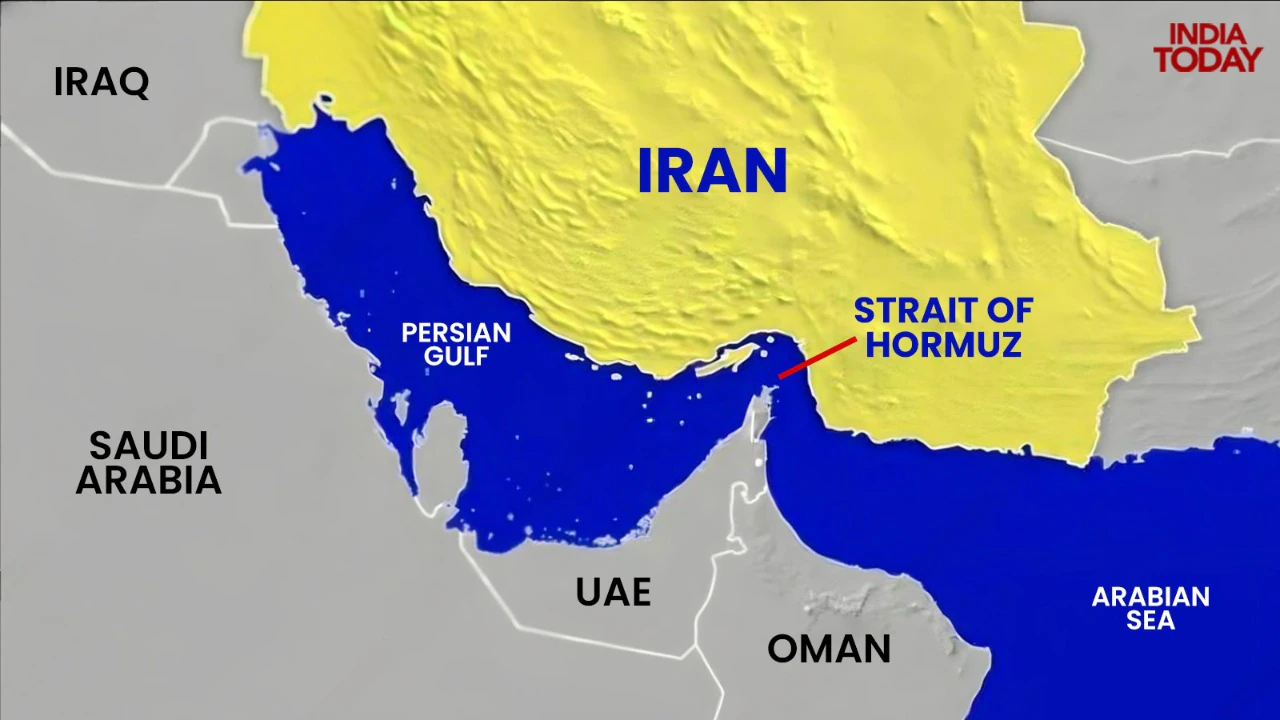
Despite the temporary truce, the strategic implications of the crisis remain unresolved. Iran’s threat to close the Strait of Hormuz, although never fully realized in history, represents a weaponized economic pressure point, as well as, Does this mean that behind closed doors Iran has agreed to permanently hold its dream for a nuclear weapon ?
From a broader geopolitical lens, the ceasefire reflects more than just regional diplomacy, it represents a big relief for Prime Minister Benjamin Netanyahu. Ehud Olmert, former Israeli Prime Minister, offered a sobering analysis of Israeli leadership. In his words, Prime Minister Benjamin Netanyahu risks undermining Israel’s long-term security by indulging in military escalation without a sustainable peace plan. “If Netanyahu is wise, courageous, and responsible, he will halt the fighting and earn accolades,” Olmert said. “If he proves arrogant and bombastic, he will demolish all the achievements.”
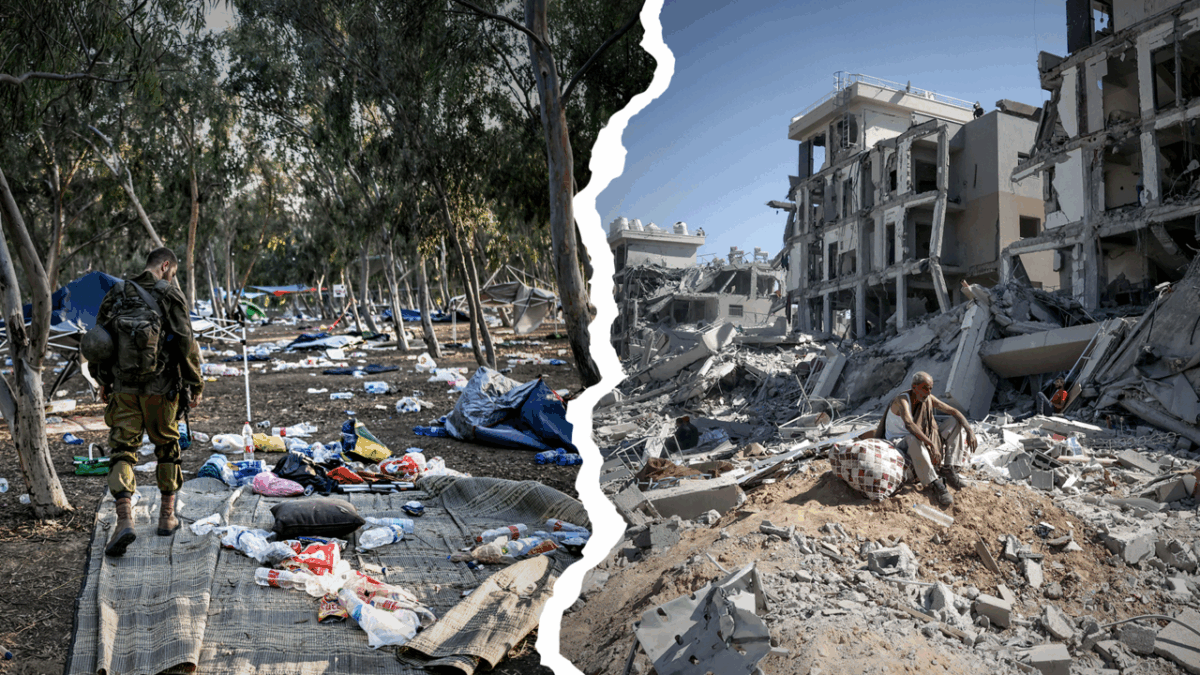
Meanwhile, the broader Middle East continues to operate in a fragile equilibrium—“no war, no peace.” Experts argue this ambiguous status perpetuates regional instability while offering temporary comfort to global markets. The Trump-brokered ceasefire may have offered short-term relief to oil markets and a pause in regional hostilities, but the underlying fault lines—especially the war in Gaza that remains dangerously active.