
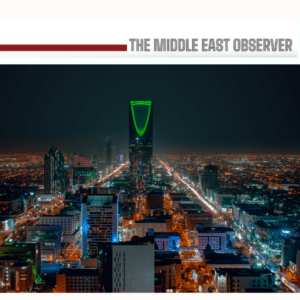
Saudi Arabia is set to fully open its stock market to all foreign investors from early February, marking one of the most significant liberalisation steps in the Kingdom’s capital markets to date and reinforcing efforts to attract global capital.
According to international media reports, the Capital Market Authority has approved a new regulatory framework allowing all non-resident foreign investors to invest directly in shares listed on Tadawul, without the need for prior qualification. The move abolishes the long-standing “Qualified Foreign Investor” (QFI) requirement and removes reliance on swap agreements that previously gave foreigners only economic exposure rather than direct ownership.
The reform is intended to diversify the investor base, increase foreign inflows, and enhance liquidity in the Saudi market, which is the largest in the Middle East. Foreign ownership in Saudi equities had already exceeded SAR 590 billion by the end of the third quarter of last year, reflecting growing international interest even before the latest opening.
Market participants expect the change to improve price discovery, support fair asset valuations, and strengthen corporate governance through broader participation by global investors. Some analysts, however, note that the immediate impact may be moderate, as most large institutional investors already had access through earlier reforms.
Attention is now turning to the next potential step: raising the current 49% cap on foreign ownership in listed companies. Analysts say lifting the ceiling further could unlock substantial additional inflows and accelerate Saudi Arabia’s integration into global equity markets, in line with the Kingdom’s Vision 2030 objectives.