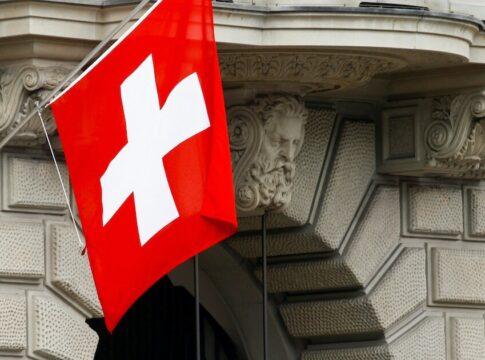
Switzerland’s centuries-old reputation as the world’s premier private banking refuge—built on pillars of secrecy, stability, and neutrality—is under siege. The high-profile collapse of Credit Suisse in March 2023, triggered by a litany of scandals and mismanagement, ended with a government-brokered rescue by UBS, underscoring systemic vulnerabilities and casting doubt on Swiss banking’s invincibility. On 27 June 2024, Switzerland and the US inked a new FATCA agreement to shift from a one-way to a mutual, automatic exchange of financial-account data, slated for implementation in 2027. This erodes one of Swiss banking’s main veils of discretion, reshaping compliance and confidentiality norms. The Young Socialists’ high-profile initiative to impose a 50% inheritance tax on estates over CHF 50 million (about $61 million) is heading to a popular referendum on 30 November 2025. The federal government and parliament have rejected the proposal, citing risk of capital flight and legal complexities—even estimating that up to 98% of assets could evade the tax due to relocation. According to Deloitte, foreign assets under management in Switzerland plummeted from $2.624 trillion in 2020 to $2.174 trillion in 2023, shrinking its share of the global offshore wealth market from 23.7% to 21.4%. Meanwhile, rivals such as the UK, US, Hong Kong, and Singapore are closing in—or already gaining ground. As Switzerland’s luster dims, wealth managers are eyeing Asia. Financial Times reports that Hong Kong, Singapore, and other Asian centers are expected to overtake Switzerland as the top offshore wealth managers by 2028. Their success hinges on burgeoning local wealth, family-office proliferation, and replicating Swiss-style services with localized agility. While Switzerland’s banking sector is expected to endure, its global dominance is likely to diminish amid growing regulatory pressures. The implementation of the FATCA Model 1 agreement in 2027 will usher in tighter controls, reduced opacity, and stricter client compliance requirements, further reshaping the industry’s traditional model. The outcome of the November 2025 inheritance tax referendum will be pivotal—decisive rejection could help preserve market predictability, whereas a narrow or contested result risks prolonging policy uncertainty. In parallel, Asia’s wealth hubs, propelled by rapid economic growth and strategic positioning, are gaining momentum and are poised to capture a larger share of global private banking. Switzerland is at an inflection point: its bedrock principles of secrecy and neutrality are unraveling under financial scandals, tax-transparency push, and political contention. While the Alpine vault isn’t emptying yet, the tide is shifting—and the sunny capitals of Asia are catching the wave.
Switzerland’s Private Banking at a Crossroads Transparency Unveiled, Tax risk For Large Accounts, and a fierce Asian competition