
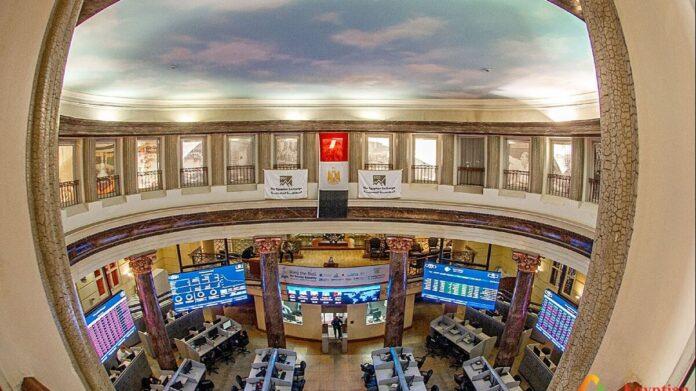
The Egyptian Exchange (EGX) has recently completed its semi-annual review, resulting in significant reshuffling across its primary indices. This strategic reallocation highlights the dynamic nature of Egypt’s economic landscape and offers fresh insights into the country’s evolving market dynamics.
The EGX 30, Egypt’s benchmark index, has undergone notable adjustments with the addition of six new companies: Orascom Development, RAMEDA, EgyptAlum, Ibn Sina Pharma, Qalaa Holdings, and EIPICO. These inclusions are set to replace Ezz Steel, B Investments, Faisal Islamic Bank of Egypt, Cleopatra Hospitals, Elsewedy Electric, and Heliopolis Housing, effective February 1, 2025.
The decision to refresh the index reflects a strategic aim to incorporate companies that better represent current economic activities and investor interests. For instance, the addition of Qalaa Holdings and Ibn Sina Pharma underscores the rising significance of diversified investment portfolios and the healthcare sector in Egypt’s economic fabric.
Elsewedy Electric and Ezz Steel’s departures from the EGX 30 were anticipated. Elsewedy Electric’s exit follows a significant acquisition of its free float shares by Electra Investment Holding, based in Abu Dhabi, which diminished its local trading volume. Meanwhile, Ezz Steel’s voluntary delisting, approved by its shareholders, aligns with its strategic pivot away from the public market.
These exits underscore a broader trend where company-specific strategic decisions, such as foreign investments and delistings, significantly impact market composition and liquidity. Such shifts necessitate continual realignment of indices to reflect the most active and liquid companies, ensuring they remain relevant benchmarks for traders and investors.
Beyond the EGX 30, the EGX 70, EGX 100, and the newly launched EGX 33 have also experienced substantial changes. The EGX 70 EWI welcomed six new companies, with a total of 17 changes across the EGX 30 and EGX 70 indices, reflecting a commitment to maintaining a representative sample of the market’s equity universe.
The EGX 100 EWI saw 14 companies shuffle, further illustrating the fluidity and responsiveness of the market indices to economic shifts. Meanwhile, the EGX 33, a shariah-compliant index, introduced companies like Delta Sugar and Lecico, replacing firms such as Elsewedy Electric and Raya Holdings. This movement indicates an increasing focus on aligning with ethical investment principles, catering to a broader investor base interested in shariah-compliant options.
The Egyptian Exchange’s semi-annual review is a clear indicator of the country’s adaptive market strategies. By integrating companies that exemplify growth sectors and ensuring liquidity, the EGX aims to enhance investor confidence and foster a more vibrant trading environment. The reshuffling not only mirrors immediate economic trends but also positions the EGX indices to capture long-term growth trajectories within Egypt’s economy.
In conclusion, the EGX’s strategic updates highlight the interconnectedness of corporate maneuvers, investor expectations, and economic growth. These changes serve as a barometer for the market’s health, providing insights into which sectors and companies are driving Egypt’s economic progress in a rapidly changing global landscape. As the bourse continues to evolve, these indices will remain pivotal in guiding both local and international investors through Egypt’s dynamic financial ecosystem.