
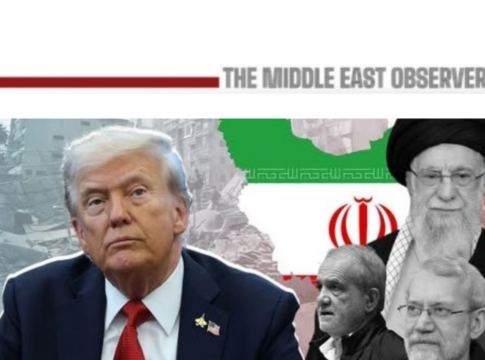
In a significant strategic pivot, the Trump administration has narrowed its core demand regarding Iran to a single, unyielding red line: ensuring Iran never builds or procures a nuclear weapon. This shift moves away from maximalist objectives such as total regime change or the complete dismantling of Iran’s military infrastructure. Instead, the focus has turned toward a pragmatic, transaction-based framework aimed at ending the active conflict, securing the Strait of Hormuz, and containing the nuclear threat. What is taking shape is not a sweeping peace treaty but a high-stakes diplomatic chess match built on phased de-escalation.
The Phased Agreement
The preliminary agreement is designed as a step-by-step process rather than a single, all-encompassing deal. The immediate goal is a 60-day ceasefire extension. During this window, the United States would lift its naval blockade on Iranian ports, while Iran would reopen the vital Strait of Hormuz to global shipping without imposing transit tolls. Crucially, while a permanent agreement hinges on neutralizing Iran’s nuclear weapons capability, the most sensitive details-specifically what happens to Iran’s current stockpile of highly enriched uranium- may be pushed to a separate, intensive negotiating track over the following 30 to 60 days.
This narrowing of goals allows both leaderships to frame a potential deal as a strategic win for domestic audiences. President Trump can claim he stopped a nuclear bomb, forced Iran to back down from its shipping blockade, and secured a deal that is the “exact opposite” of the 2015 JCPOA- all without dragging the U.S. into a permanent regional war. For Iran, the Supreme Leader Mojtbaba Khaminei and President Masoud Pezeshkian can maintain that Iran never sought nuclear weapons (citing the famous religious fatwa of the late supreme leader Ali Khaminei against WMDs) while lifting the devastating economic blockade and unfreezing tens of billions in oil revenues.
However, major gaps persist. While U.S. officials claim Iran has shown willingness to hand over or neutralize its enriched material, senior Iranian sources have publicly pushed back, stating no such agreement on their HEU stockpile has been reached. Regionally, key U.S. allies- particularly Israeli Prime Minister Benjamin Netanyahu- are lobbying to ensure any final agreement fully dismantles enrichment sites rather than merely monitoring them.
The Battle Over the Strait of Hormuz
A central nuance of the deal revolves around what “open” means for the Strait of Hormuz. Before the outbreak of fighting, the strait was technically open under international transit passage rules, but Iran consistently harassed, seized, or restricted vessels it deemed hostile. During the war, Iran escalated this into a formal “protection racket,” creating an entity called the Persian Gulf Strait Authority (PGSA). They treated the international waterway as sovereign territory, forcing ships to apply for permits (disclosing manifests and crew lists) and levying massive tolls- up to $2 million per transit or a flat fee of $1.00 per barrel of oil for safe passage past Iranian mines and IRGC fast-boats.
By forcing Iran to agree to reopen the strait without tolls, the Trump administration aims to dismantle this newly built administrative infrastructure before it becomes permanent. The achievement is not merely about letting ships pass again; it is about reversing Iran’s attempt to establish permanent legal and economic veto power over 20% of the world’s seaborne oil. Accepting a ceasefire with tolls would tacitly recognize Iranian sovereignty over an international waterway. Thus, while appearing to return to the pre-war status quo, the strategic goal is to stop Iran from converting temporary wartime leverage into permanent peacetime authority.
What the U.S. Is Giving Up
To match Iran’s maritime concessions, the U.S. is offering significant relief. This includes lifting the complete naval blockade on Iranian ports (enforced since April 13, which choked off Iran’s ability to import basic goods), issuing temporary oil sanctions waivers to allow Iran to resume legal oil sales during the 60-day window, and unfreezing billions of dollars in Iranian assets held in foreign banks. Beyond direct U.S.-Iran trade-offs, the preliminary framework includes a halt to hostilities on multiple regional fronts, most notably ending the war between Israel and the Iran-backed Hezbollah group in Lebanon. On the nuclear issue, the U.S. conceded to pushing the HEU stockpile question to a separate 60-day track, giving Iran breathing room- with Russia already offering to take custody of the stockpile if a transfer is finalized.
These concessions have triggered intense backlash from hardline Republicans at home. Figures like Senator Roger Wicker and former Secretary of State Mike Pompeo have criticized the emerging deal as a “disaster,” arguing it resembles the 2015 Obama-era JCPOA. President Trump has fiercely defended the moves on Truth Social, telling critics “not to rush” and insisting the naval blockade will remain in “full force and effect” until the final text is fully certified and signed.
Ultimately, by defining the goal as preventing a bomb rather than destroying the Iranian state, a diplomatic exit ramp from the war has been created- but the final text remains a high-wire balancing act for both sides.