
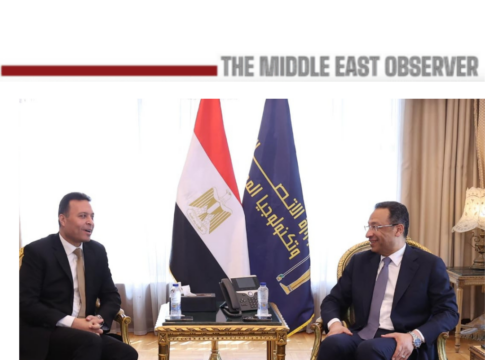
Egypt is accelerating preparations for its 2027 General Population, Housing and Establishments Census through expanded digital infrastructure and the integration of artificial intelligence technologies, as part of the country’s broader digital governance and state modernization strategy.
Minister of Communications and Information Technology Raafat Hindi held talks with Akram Ahmed El-Gohary to discuss cooperation on implementing the nationwide census project and supporting technology-driven modernization initiatives within the Central Agency for Public Mobilization and Statistics (CAPMAS).
The census is expected to play a central role in supporting state planning, economic policymaking, infrastructure development, and the allocation of public services by providing a comprehensive and continuously updated national database covering population distribution, housing, and economic establishments.
The talks focused on upgrading the technological infrastructure required for the project, including enhancing the agency’s digital systems, developing specialized applications, and supplying tablet devices for census representatives. Discussions also covered the integration of government digital platforms and the Digital Egypt initiative to improve connectivity and data exchange among state institutions during the census process.
The initiative represents one of Egypt’s largest ongoing digital governance projects aimed at modernizing national statistical operations and improving the efficiency of state data management systems.
Officials said AI technologies will be deployed to automate and support parts of the census operation, including voice-to-text applications designed to assist representatives in recording responses more efficiently. The project will also employ advanced analytics to enhance statistical accuracy and generate deeper policy insights from census data.
The two sides further discussed expanding modernization efforts within CAPMAS, including the development of an AI-powered smart assistant for the agency’s website aimed at improving user accessibility and digital services.
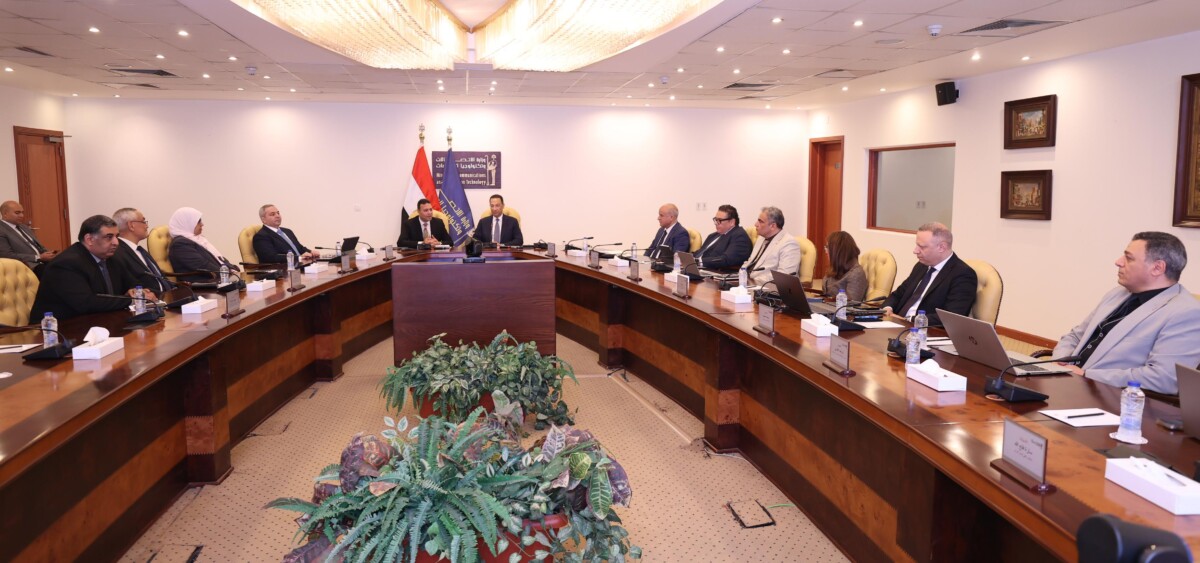
Minister Raafat Hindi reaffirmed the ministry’s commitment to supporting the project and stressed the importance of establishing a comprehensive implementation timetable in cooperation with the ministry’s Applied Innovation Center to integrate AI applications across the agency’s operations. He also highlighted efforts to increase self-enumeration rates among citizens through AI-supported digital systems.
For his part, Akram El-Gohary stated that the project relies heavily on cooperation with the Ministry of Communications and Information Technology, particularly in relation to digital records integration and advanced census methodologies. He noted that CAPMAS aims to raise self-enumeration participation to 50% of households.
Egypt’s adoption of digitally integrated census methodologies is expected to improve the speed, quality, and efficiency of national statistical data collection while reducing operational costs, supporting real-time updates, and strengthening the state’s ability to respond to crises and emergencies through continuously updated databases.
