Escalating geopolitical tensions in the Gulf region are breathing new life into China’s long-standing ambition to expand the role of the yuan in global energy trade, reviving discussions around the so-called “Petroyuan” as an alternative to the Dollar-dominated system.
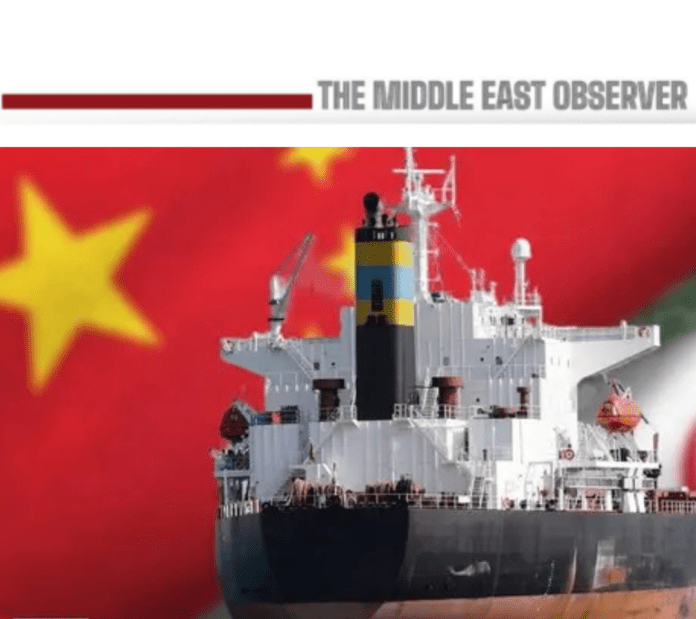
Recent developments surrounding disruptions in maritime navigation across the Strait of Hormuz have reportedly increased the use of the Chinese yuan in oil transactions, particularly as Iran has begun accepting yuan-denominated payments in exchange for facilitating safe passage of vessels. As The Middle East Observer notes, these shifts come amid heightened tensions following the collapse of diplomatic efforts and subsequent U.S. measures targeting Iranian ports.
The concept of the “petroyuan,” originally promoted by Xi Jinping during his 2022 Middle East engagements, has historically faced limited adoption. However, current market dynamics appear to be reshaping its trajectory. According to Chinese sources cited in regional reporting, trading volumes of yuan-denominated crude have risen notably during the crisis, while the Cross-Border Interbank Payment System recorded a single-day transaction value exceeding 1 trillion yuan for the first time, nearly $179 billion, reflecting growing utilization.
Analysts have pointed to the broader implications of these developments. In recent commentary, Deutsche Bank strategists suggested that ongoing geopolitical tensions could accelerate a gradual erosion of the traditional petrodollar system, potentially marking an inflection point for alternative currency frameworks in energy markets.
China’s expanding economic footprint in the Middle East has further supported this trend. As the world’s largest crude importer, Beijing has steadily developed infrastructure to facilitate yuan-based oil trading, including futures markets in Shanghai and enhanced cross-border payment systems. These efforts are complemented by ongoing initiatives to strengthen financial connectivity with regional partners, including digital currency platforms under development in collaboration with multiple economies.
The Middle East Observer understands that while the yuan remains far behind the U.S. dollar in global trade dominance, the current environment of geopolitical fragmentation and shifting energy routes is creating new opportunities for diversification in settlement currencies.
The evolving situation underscores a broader transformation in global economic architecture, where energy flows, financial systems, and geopolitical alignments are increasingly intertwined, potentially reshaping the balance of power in international trade over the coming years.