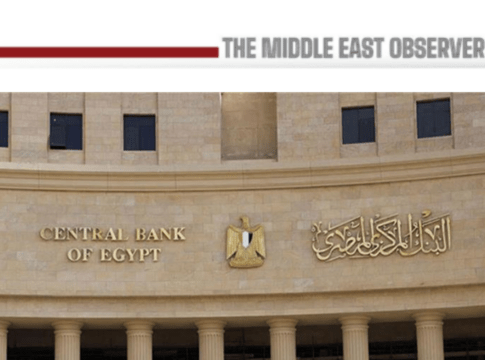
Cairo — Egypt’s net international reserves (NIR) rose to $52.83 billion at the end of March 2026, up from $52.47 billion in February, according to official data released by the Central Bank of Egypt (CBE), confirming a continued upward trajectory in the country’s foreign currency buffers.
The latest increase reflects a gradual accumulation of reserves that has been underway since 2024, supported by improved foreign inflows and multilateral financing. The recovery follows a period of acute foreign exchange shortages and currency pressures, which prompted a comprehensive economic adjustment program backed by the International Monetary Fund and additional support from regional and international partners. These measures have played a key role in stabilizing Egypt’s balance of payments and restoring a degree of investor confidence.
A central pillar of the adjustment has been the Flexible Exchange Rate Policy adopted by the CBE in March 2024, which allowed the Egyptian pound to realign more closely with market conditions. This move significantly narrowed the gap between official and parallel market exchange rates and improved foreign currency liquidity within the banking system.
Simultaneously, the CBE implemented tight monetary measures, including a 600 basis-point interest rate hike and a currency devaluation, which helped attract renewed foreign portfolio inflows into Egypt’s domestic debt market. These policy shifts have coincided with a rebound in key foreign currency-generating sectors, notably tourism, workers’ remittances, and revenues from the Suez Canal, all of which have contributed to strengthening reserve levels.
At current levels, Egypt’s reserves provide a comfortable import cover and exceed standard international adequacy benchmarks, enhancing the country’s capacity to meet external obligations, support currency stability, and mitigate exposure to global financial volatility. This improved buffer comes at a time of continued geopolitical uncertainty and tighter global monetary conditions, reinforcing the strategic importance of reserve accumulation within Egypt’s macroeconomic framework.
Overall, the March figures underscore the ongoing normalization of Egypt’s external position, with reserve growth serving as a key indicator of policy effectiveness and improved foreign currency availability across the economy.