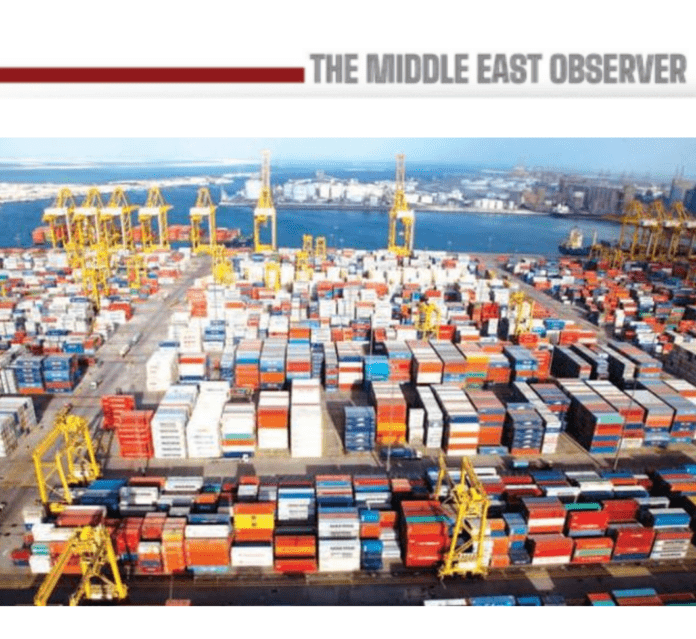
Cairo — Egypt has introduced a streamlined logistics and regulatory framework to maintain trade continuity between Europe and Gulf markets, combining a new multimodal transit corridor with temporary customs exemptions amid ongoing regional disruptions.
The Egyptian Customs Authority announced a three-month exemption from the Advance Cargo Information (ACI) system for shipments transiting through Nuweiba, Ain Sokhna, and Safaga ports,provided cargo remains strictly bound for Gulf Cooperation Council destinations. The measure is designed to reduce administrative delays and accelerate cargo clearance under exceptional geopolitical conditions.
In parallel, the Ministry of Transport Egypt has operationalized a Europe–Gulf transit corridor, linking European cargo arriving via the Damietta–Trieste Ro-Ro line to Gulf markets through Safaga Port. The route supports both refrigerated and dry goods, offering faster and more reliable delivery for time-sensitive sectors such as food, agriculture, and pharmaceuticals.
By eliminating pre-arrival documentation requirements and enhancing coordination across ports and customs, the framework reduces transit time, lowers logistics costs, and improves supply chain predictability. The initiative comes as global trade adapts to disruptions in key maritime corridors, positioning Egypt as a stable alternative route connecting Europe and the Gulf.
While the corridor is not designed for large-scale oil or LNG exports—which continue to rely on infrastructure such as the Suez Canal and the SUMED Pipeline—it supports the broader energy sector through the transport of refined products in limited volumes and critical oilfield equipment.
The initiative reinforces Egypt’s strategy to evolve into a regional logistics hub, sustaining trade flows and enhancing supply chain resilience in an increasingly volatile global environment.