CAIRO — Egypt has approved its state budget for fiscal year 2026/2027, outlining a more assertive fiscal consolidation path while scaling up social spending and investment incentives, in what officials describe as a calibrated response to both domestic economic needs and external risks.
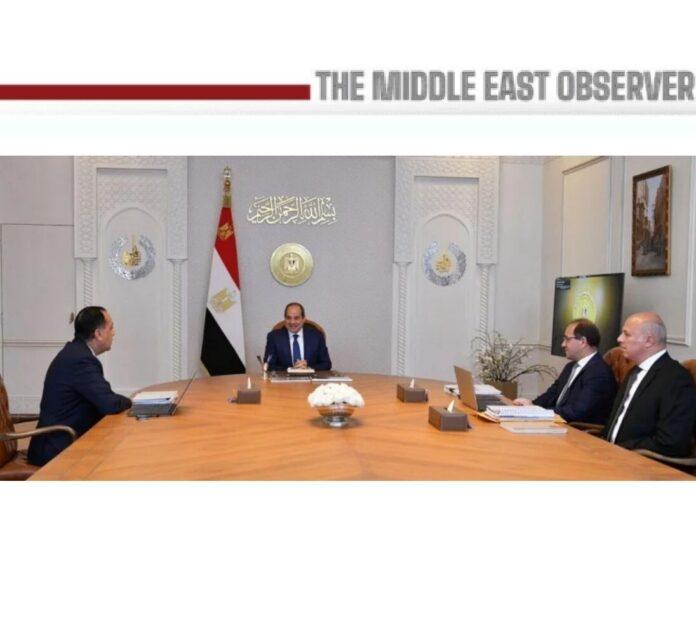
The cabinet, chaired by Mostafa Madbouly, signed off on the budget following a strategic review with Abdel Fattah El-Sisi. The framework integrates financing plans for 65 public economic authorities and aligns with Egypt’s broader economic and social development agenda.
At its core, the budget reflects a dual-track policy approach: reinforcing fiscal discipline while expanding citizen-focused expenditure. Finance Minister Ahmed Kouchouk said the government is prioritising “health, education, social protection, and support for production and exports,” while maintaining flexibility to respond to potential economic shocks.
Public revenues are projected to rise 27.6% to EGP 4 trillion, compared with roughly EGP 3.1 trillion in the FY 2025/26 budget framework, reflecting stronger tax mobilisation and improved compliance. Total expenditures are set to increase 13.2% to EGP 5.1 trillion, up from approximately EGP 4.6 trillion, indicating continued expansion in public spending but at a slower pace than revenue growth.
Within this envelope, EGP 832.3 billion has been allocated to social protection programmes—marking a 12% annual increase and reinforcing a continued upward trajectory in welfare spending. In parallel, EGP 90 billion has been earmarked for targeted economic stimulus measures, supporting production, industrial activity and exports, with incentives tied to measurable performance indicators.
A central pillar of the budget is its enhanced fiscal consolidation target. Egypt aims to achieve a primary surplus of EGP 1.2 trillion (5% of GDP), up from roughly EGP 795 billion (around 4% of GDP) in FY 2025/26. The overall fiscal deficit is expected to narrow to 4.9% of GDP, down from around 6.5% in the current fiscal year, while public debt is projected to decline to approximately 78% of GDP, compared with about 82.9% previously—marking a clear downward trajectory.
Officials present these shifts as evidence of a more disciplined fiscal stance, where revenue growth is outpacing expenditure expansion, allowing Egypt to simultaneously increase social spending and accelerate debt reduction. This implies an increase in revenues of roughly EGP 900 billion year-on-year, creating additional fiscal space. The approach aligns with commitments under Egypt’s reform programme supported by the International Monetary Fund, which has consistently emphasised fiscal sustainability and private-sector-led growth.
The macroeconomic assumptions underpinning the budget include GDP growth of 5.4% in FY 2026/27, compared with an expected around 5.2% in FY 2025/26, alongside continued inflation stabilisation. These projections are broadly in line with IMF expectations, although structural reforms—particularly enhancing private-sector participation and broadening the tax base—remain critical to sustaining momentum.
Compared with the current fiscal framework, the new budget highlights three structural shifts: stronger revenue mobilisation, controlled expenditure growth, and expanded fiscal buffers through a higher primary surplus and lower deficit.
However, implementation risks remain pronounced. Escalating regional tensions—particularly their impact on global energy markets—are expected to place upward pressure on Egypt’s energy import costs, with natural gas imports having risen sharply in recent months and broader LNG bills trending towards $2–3 billion monthly during peak demand periods.
In response, the government has signalled potential rationalisation of fuel consumption, including slowing selected energy-intensive projects, underscoring the sensitivity of fiscal projections to external shocks—especially oil and gas price volatility.
Debt servicing continues to account for a significant share of public expenditure, reflecting the structural weight of interest obligations within the budget, although officials expect only a moderate increase in servicing costs in the coming fiscal year. At the same time, authorities are considering further social measures, including adjustments to minimum wages and increased allocations to health and education.
The widening gap between revenue growth and expenditure expansion signals improving fiscal buffers, but execution will depend on sustained tax mobilisation, cost control, and external stability.
The approved budget ultimately reflects a more complex balancing act than in previous years. While FY 2025/26 focused on stabilisation and recovery, the FY2026/27 framework moves more decisively towards fiscal consolidation alongside expansionary social policy—a trajectory that will be tested by both domestic implementation capacity and an increasingly volatile regional environment.