Scientists from Northwestern University and Soochow University have developed the world’s first perovskite-based gamma-ray detector, a breakthrough that could make nuclear medicine scans clearer, safer, and far less expensive.
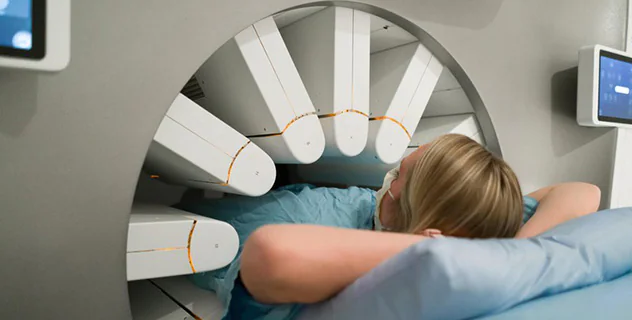
The technology is designed for single-photon emission computed tomography (SPECT), which doctors use to monitor heart function, track blood flow, and detect hidden diseases. Unlike conventional cadmium-zinc-telluride (CZT) detectors—costly and difficult to produce—the perovskite model captures individual gamma rays with record precision and at a fraction of the cost.
For patients, the advance could mean shorter scan times, lower radiation doses, and sharper results. For hospitals, it could reduce equipment costs and expand access to nuclear medicine in emerging markets.
“This could democratise advanced imaging if scaled successfully,” said Dr. Maria Sanchez, a nuclear medicine expert in Madrid, while noting that regulatory and durability tests remain ahead.
Exclusive industry sources indicate at least two global imaging companies are exploring licensing deals for the technology, signalling early commercial interest.
If adopted widely, the perovskite detector could reshape not only healthcare but also security, industrial inspections, and astrophysics research, where high-precision imaging is critical.