
In the heart of the Middle East, a new kind of race is unfolding—one defined not by the traditional metrics of power such as oil reserves or the gold rush, but by the transformative force of artificial intelligence (AI). With the rapid evolution of technology reshaping the global landscape, the United Arab Emirates and Saudi Arabia have been positioning themselves as pivotal hubs for AI development and investment. This dynamic shift is being fueled by substantial partnerships with leading U.S. tech giants, including Nvidia, Oracle, OpenAI, and Amazon, which are increasingly seeing the Middle East as a strategic frontier for AI innovation.
The United Arab Emirates has emerged as a frontrunner in the regional AI race, setting its sights on becoming a global leader in AI infrastructure with the launch of the Stargate UAE initiative. This ambitious project, developed in collaboration with tech heavyweights OpenAI, Nvidia, Oracle, and Cisco, alongside local powerhouse G42, is poised to establish one of the largest AI data centers outside the United States. The initiative underscores the UAE’s commitment to being at the forefront of the AI revolution, bolstered by the U.S. approval for the annual export of up to 500,000 Nvidia H100 chips, essential for advancing cutting-edge AI applications.
The UAE’s strategic focus on AI is further reflected in its ranking as the second-most attractive destination for digital nomads in the 2025 VisaGuide Digital Nomad Visa Index, an indicator of its broader efforts to attract global AI talent and catalyze innovation.
Not far behind, Saudi Arabia is aggressively staking its claim in the AI landscape through its Humain initiative. Backed by the Kingdom’s Public Investment Fund, Humain represents a significant investment in AI supercomputing factories in partnership with Nvidia and AMD. The initiative’s scale is impressive, with an initial order of 18,000 Nvidia Blackwell GPUs, a $10 billion collaboration with AMD, and an expansive Google Cloud project channeling another $10 billion into an AI hub in Dammam.
With programs like Digital Egypt, and partnerships with global investors such as 500 Global and Aria Ventures, the country is becoming a regional startup engine. Egypt’s cost-effective, multilingual workforce and rapidly expanding tech infrastructure are its competitive advantage. If momentum continues, Egypt could soon command more than $350 million in annual AI-related investment, and generate an estimated $42.7 billion in AI economic value by 2030.
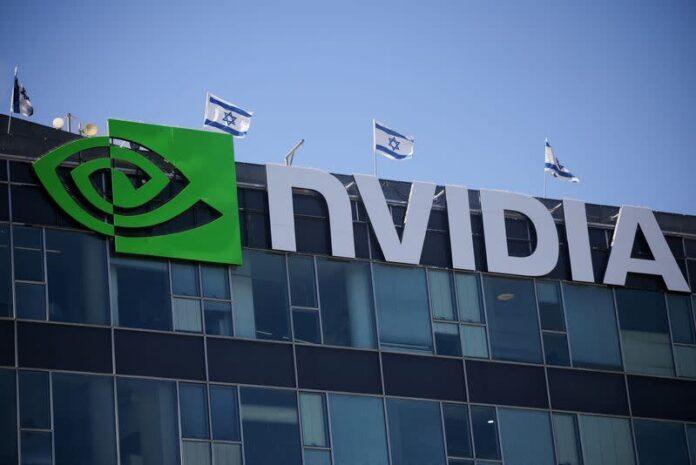
On the other hand, in a sudden move in June 2025, Israeli startups raised an impressive $1.6 billion across 18 deals, marking the strongest funding month since 2022. Among the top June deals were Cyera ($540M), Cato Networks ($359M), ForSight Robotics ($125M), Coralogix ($115M), and Carbyne ($100M)—a diverse mix from cybersecurity to robotics. But beyond venture capital, the country’s deepening ties with Nvidia are perhaps the most significant signal of long-term strategic importance.
Each country in the MENA region is participating in the AI race in its own unique way. While Qatar, Bahrain, Oman, and others have made their respective marks, the UAE and Saudi Arabia have focused on developing mega-infrastructure, enhancing computational capacity, and forging global partnerships. Meanwhile, Egypt is rapidly cultivating scalable and affordable talent. Israel, capitalizing on its longstanding support from the United States, swiftly advanced to the forefront of the competition, bolstered by a strategic preference for its development.
The question is no longer whether the Arab nations will influence AI’s global future, but rather how significant that influence will be. The upcoming decade will challenge these nations not just to build but also to sustain their advancements. They must retain talent, foster innovation, and adapt regulatory frameworks to thrive.
If Arab nations can effectively combine their strengths—leveraging the Gulf’s investment capacity with Egypt’s talent and innovation—they might not just catch up with Western and Asian AI giants. They could potentially redefine the rules for the next era of technological leadership. This lengthy journey, akin to a modern Gold Rush, will require advocacy, support, and a collective effort towards a shared vision. This time, the stakes extend beyond regional ambitions—they are truly global.