In an era where technology blurs the line between reality and illusion, artificial intelligence is reshaping the travel industry in unprecedented ways. The latest example of this shift comes from Malaysia, where a couple’s dream vacation turned into a nightmare after they were lured by an AI-generated video to a non-existent tourist attraction.
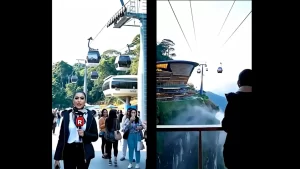
The couple, who drove three hours from Kuala Lumpur to Perak state, expected to enjoy a scenic cable car ride called the Kuak Skyride, as portrayed in a video they watched on TikTok. The video, produced by “TV Rakyat”—a fictitious AI-generated channel—featured a journalist experiencing the attraction, complete with interviews of delighted tourists. Upon arrival, however, the couple found only a quiet town and a bewildered hotel employee who had to break the news that their dream destination was part of an elaborate AI fabrication.
Dr. Emily Chen, a technology ethics professor, explains the growing concern: “AI’s ability to create hyper-realistic content poses ethical challenges. It manipulates perceptions, making it difficult for individuals to discern truth from fiction.” Signicat, an identity services company, highlights the dramatic rise in AI-driven fraud, noting a 2,137% increase in deepfake attacks, which now constitute 6.5% of all fraud cases.
Steve Beauchamp, another victim of AI deception, shared his ordeal with The New York Times after losing his retirement savings to deepfake investment scams featuring a fabricated Elon Musk. These incidents underscore the broader implications of AI’s misuse, extending beyond tourism to financial fraud and corporate deception.
The Malaysian couple’s experience is not an isolated incident but part of a larger trend where AI-generated content distorts reality. UNESCO has already raised alarms about “selfie tourism,” where travelers prioritize photo opportunities over genuine cultural experiences. This phenomenon has led to overcrowding and environmental strain at iconic destinations, exacerbated by influencers who curate idealized, and often misleading, travel narratives.
As AI’s capabilities continue to advance, the tourism industry faces a crossroads. While AI offers potential benefits in areas like personalized travel recommendations, its ability to fabricate experiences poses significant risks. Educators and policymakers alike stress the importance of digital literacy and critical thinking in combating the spread of misinformation.
In the words of Dr. Mark Liu, a digital culture researcher, “We must cultivate a discerning public, equipped to question and verify digital content. Only then can we preserve the integrity of our shared experiences in a world increasingly shaped by artificial intelligence.”
As AI continues to influence various aspects of our lives, the Malaysian couple’s story serves as a cautionary tale, reminding us of the need for vigilance in an age where the line between reality and fiction is increasingly blurred.