
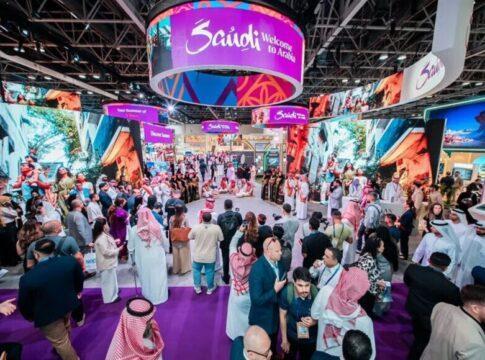
Saudi Arabia has firmly established itself as a top global destination, welcoming approximately 116 million tourists in 2024, marking a 6% increase from the previous year. This impressive figure, highlighted in the Ministry of Tourism’s Annual Statistical Report, indicates significant progress as the nation continues to embrace its Vision 2030 goals.
Tourism Minister Ahmed Al-Khateeb attributes this growth to the visionary leadership and strategic efforts under Saudi Vision 2030, which positions tourism as a major economic driver. According to the report, total tourism spending soared to SAR284 billion ($75.7 billion), reflecting an 11% increase from 2023. The kingdom’s highest-ever number of inbound tourists, approximately 30 million, contributed to this boom, with spending in this category rising by 19%.
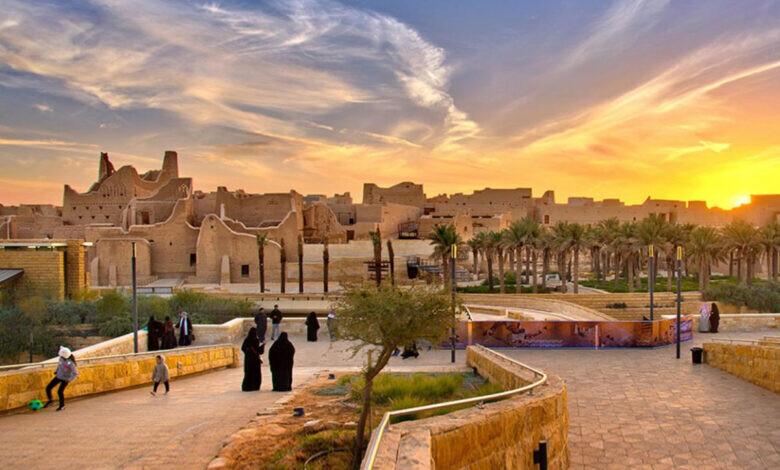
Domestic tourism also experienced robust growth. Around 86.2 million domestic tourists explored the kingdom in 2024, boosting local spending to SAR115.3 billion. This domestic surge underscores the successful promotion of Saudi attractions to both local and international audiences.
The Saudi Tourism Authority’s (STA) recent initiatives, like the “Saudi Summer 2025” program, are pivotal in showcasing the kingdom’s offerings. This campaign, themed “Color Your Summer,” invites tourists to explore six diverse destinations, emphasizing the kingdom’s cultural and natural wealth.
The Aseer region, in particular, stands out. Featuring the Aseer Summer Season, it offers cultural, musical, and artistic events, with attractions like Al-Muftaha Village and the Plato Event. This area, rich in heritage and natural beauty, provides a moderate climate perfect for outdoor enthusiasts.
Dr. Layla Al-Rashed, a tourism industry expert, comments, “Saudi Arabia’s tourism strategy is effectively transforming the kingdom into a premier destination. The diverse cultural experiences and significant investment in infrastructure are key motivators for international travelers.”
This strategic growth not only aligns with Saudi Vision 2030 but also sets a precedent for regional tourism development, encouraging other Middle Eastern nations to leverage their cultural and natural assets.