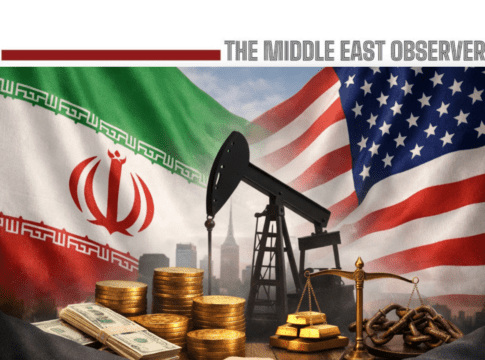
Iran has signaled that prospective cooperation in energy development, mining ventures and civilian aviation could accompany negotiations with the United States over its nuclear program, as diplomatic contacts between the two countries regain momentum.
The remarks, reported by Reuters ahead of a planned round of talks in Geneva, suggest Tehran is seeking to widen the scope of discussions beyond nuclear restrictions to include economic engagement that could generate reciprocal benefits.
Iranian officials have indicated that a viable agreement must produce measurable gains for both sides. In addition to sanctions relief, Tehran has pointed to potential collaboration in oil and gas projects, mineral resource development and commercial aircraft sales as possible areas of alignment, should broader understandings be reached.
The approach reflects an effort to reframe negotiations as not merely a compliance mechanism centered on enrichment levels and inspections, but as part of a broader economic recalibration.
The renewed diplomatic track follows earlier discussions this month aimed at de-escalating tensions surrounding Iran’s nuclear activities. While both sides have expressed interest in dialogue, the regional environment remains sensitive.
U.S. officials have indicated that Washington continues to maintain a heightened military posture in the Middle East, including the deployment of additional naval assets, as contingency planning proceeds alongside diplomatic outreach.
Iran, for its part, maintains that its nuclear program serves peaceful purposes, while Western governments insist on verifiable safeguards and constraints.
Observers note that introducing commercial sectors into the talks may be intended to anchor any future agreement in economic interdependence, potentially raising the cost of diplomatic breakdown for both sides.
The collapse of the 2015 nuclear accord left lingering distrust, with Tehran arguing that previous arrangements failed to deliver sufficient economic returns. By placing sectors such as hydrocarbons and aviation on the table, Iran appears to be signaling a preference for a more integrated and durable framework.
As negotiators prepare for further discussions in Geneva, key issues are expected to include enrichment limits, sanctions mechanisms, inspection protocols and the sequencing of commitments.
Whether economic incentives can bridge longstanding differences remains uncertain, but the reactivation of talks suggests both sides are exploring pathways to manage confrontation while preserving leverage.