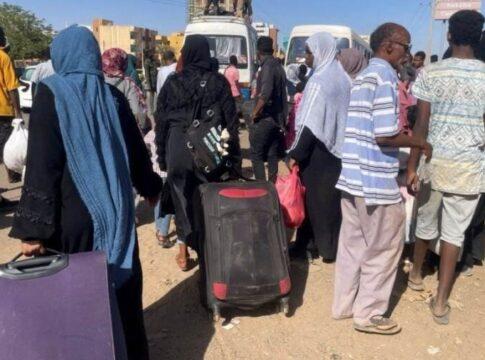
Amidst the ongoing conflict in Sudan, over a million internally displaced Sudanese have embarked on a courageous journey back to their homeland, with more than 320,000 returning from neighboring countries like Egypt and South Sudan. As these families make their way primarily to Khartoum, Sennar, and Al Jazirah States, they face immense challenges, including a lack of basic services such as electricity and water.
The devastation in these areas is profound. Regional Directors from UNHCR and IOM recently visited Khartoum, witnessing firsthand the widespread destruction and chronic shortages facing its inhabitants, which include thousands of internally displaced persons, refugees, and asylum-seekers. Many have been isolated from assistance since the conflict began over two years ago.
Humanitarian efforts remain critically underfunded, both within Sudan and in neighboring countries hosting those who fled. Mamadou Dian Balde, Regional Refugee Coordinator for the Sudan crisis, highlighted the desperation and hope intertwined in these returns. “These returns are a desperate call for an end to the war so that people can come back and rebuild their lives,” he stated, urging for stronger international solidarity with the Sudanese people and the countries offering refuge.
While some areas have seen decreased fighting, allowing for returns, the conditions remain perilous. Essential infrastructure, including power lines and water systems, has been obliterated. Schools and hospitals have turned into shelters, and many returnees face the challenge of lost civil documents, making access to services difficult. Additionally, threats such as unexploded ordnances and widespread violence persist.
Othman Belbeisi, IOM Regional Director, emphasized the importance of supporting returnees. “Those heading home are not passive survivors; they are vital to Sudan’s recovery. But they need support to rebuild lives and communities,” he remarked, stressing the need for collaboration with local partners to create a foundation of peace and opportunity.
UNDP’s Regional Bureau for Arab States Director, Abdallah Al Dardari, echoed these sentiments, warning of the dire humanitarian situation. “We are in a race against time to clear rubble and restore essential services,” he said, advocating for urgent actions to provide water, power, and healthcare, alongside longer-term support for jobs and mental health services.
Despite the hopeful returns, ongoing conflict in regions like Darfur and Kordofan continues to displace hundreds daily. With over 12 million people displaced since the conflict began, including 4 million Sudanese refugees in neighboring countries, the call for a political resolution grows stronger.
Efforts are underway to provide clean water, bolster health services, and supply essential goods. Safe spaces for women and plans for debris removal are part of the commitment to creating a stable environment for returnees. However, as of July 21, 2025, only a fraction of the required funding for these initiatives has been secured, highlighting the urgent need for increased financial support to meet the needs of nearly 21 million vulnerable people in Sudan and those seeking refuge elsewhere.
As Sudanese families navigate this challenging landscape, international solidarity and sustained support are crucial to ensuring that their return is not just a temporary journey home, but a step towards lasting peace, security and recovery.