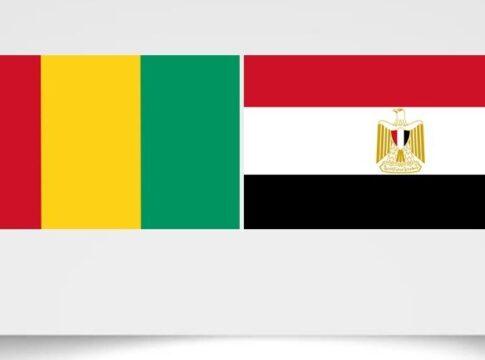
On 2 October 1958, the streets of Conakry erupted with music, parades, and chants of freedom. While most French colonies chose continued ties with Paris, Guinea under Ahmed Sékou Touré took the boldest path: voting “No” in Charles de Gaulle’s referendum and declaring full independence. It was the first French African colony to break free, a move that inspired other liberation movements across the continent. That day became Guinea’s National Day—a celebration of sovereignty hard-won, and a reminder of the country’s role as a pioneer in African self-determination.
In Cairo, the defiance resonated. Egypt’s President Gamal Abdel Nasser, then championing Arab–African solidarity, welcomed Guinea’s decision and quickly forged ties. It marked the start of a friendship grounded not just in diplomacy, but in a shared belief that Africa’s destiny must be written by Africans.
In the 1960s, Guinea became a beacon for liberation movements, hosting African freedom fighters and aligning with Egypt in the push for decolonisation. Both countries were founding members of the Organisation of African Unity (OAU) in 1963, laying the foundation for today’s African Union. Cairo and Conakry spoke the same language of sovereignty, solidarity, and non-alignment in the Cold War world.
Cultural ties also flourished. Egyptian cinema and music found audiences in West Africa, while Guinea’s griots and drummers influenced Cairo’s pan-African cultural festivals. The relationship was never just political—it was also artistic, human, and deeply African.
Six decades later, Guinea remains defined by its abundant natural resources. It holds the world’s largest reserves of bauxite—the ore used to make aluminium—and is also rich in gold, iron ore, and diamonds. These resources drive exports, while agriculture remains the largest employer, sustaining rural communities and feeding domestic demand.
The economy has shown resilience, recording 5.7% GDP growth in 2024, driven by mining exports and expanding infrastructure. Yet Guinea faces the challenge of transforming its resource wealth into broad-based development, diversifying beyond raw exports to create jobs in manufacturing, services, and agro-processing.
Egypt, Africa’s third-largest economy, has been stepping up its West African footprint, and Guinea is an important partner. Current trade volumes remain modest—measured in tens of millions of dollars annually—but the potential is significant:
- Egyptian exports to Guinea include construction materials, medical supplies, processed foods, and consumer goods.
- Guinean exports to Egypt focus on bauxite, alumina, and gold, feeding Egypt’s growing demand for raw materials.
Egyptian construction and engineering firms—such as Arab Contractors—have eyed opportunities in Guinea’s infrastructure sector, from housing to roads. Cairo has also offered training programs and scholarships through its ministries of education and foreign affairs, reinforcing people-to-people ties.
Three areas now define the forward-looking partnership:
1. Mining and value-addition
Egypt’s industrial base and Guinea’s mineral wealth could create a win–win corridor. Joint ventures in alumina refining, aluminium production, and gold value-chains would allow Guinea to capture more value from its resources while supplying Egyptian industries.
2. Agriculture and food security
Egypt, with its expertise in irrigation and agritech, can support Guinea’s vast agricultural sector—rice, maize, coffee, and cassava—helping transform it from subsistence to export-oriented agribusiness. For Cairo, cooperation in West African agriculture also supports regional food security strategies.
3. Education, healthcare, and cultural exchange
Guinea’s youthful population mirrors Egypt’s demographic profile. Scholarships, medical cooperation, and digital learning initiatives are already building new bridges. Cairo sees this as part of its broader African strategy: investing in people, not just projects.
As Guinea celebrates its 66th Independence Day, its story is one of courage and continuity—of a small nation that dared to say “No” to the empire, and in doing so, inspired a continent. Egypt, which stood by Guinea in its early years of sovereignty, now finds itself aligned with Conakry in a new chapter: one where resources meet industry, agriculture meets technology, and history meets shared ambition.
Together, Egypt and Guinea represent two ends of Africa’s geography but share one vision: that sovereignty must translate into prosperity, and independence into integration. The Nile and Conakry’s Atlantic shores may be far apart, but their futures are increasingly bound by trade, solidarity, and a shared African dream.1