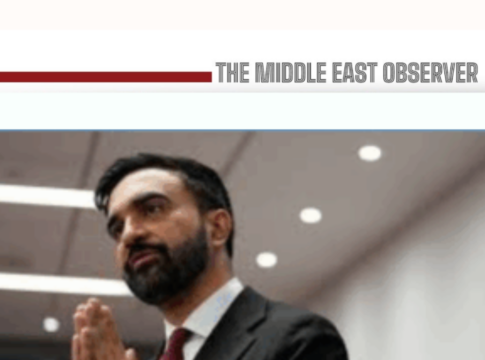
The incoming New York City mayor-elect, Zohran Mamdani, has thrown his support behind Starbucks workers as more than 1,000 baristas across the United States continue a wave of strikes demanding better wages, hours, and a binding union contract. The workers, organized under Starbucks Workers United, say they are pushing for an increase in their hourly wage from $16 to $20, and a modest adjustment to their minimum weekly hours from 19 to 20 hours—a change they say will secure steadier schedules and access to broader benefits.
Mamdani publicly urged New Yorkers to stand with the striking workers, amplifying the nationwide slogan “No contract, no coffee.” His call for consumer solidarity marks one of the strongest endorsements Starbucks baristas have received from a major political figure in recent years, adding pressure on the coffee giant as labour disputes intensify.
The show of support comes as Starbucks continues to report strong financial performance. With annual revenues exceeding $35 billion, the company earns nearly $98 million per day on average—a scale that has emboldened workers’ demands, who argue that the company can easily afford the wage and scheduling reforms being sought. Although Starbucks disputes certain union claims and maintains that its compensation structure is competitive, baristas insist the company’s profitability underscores the need for a fair contract.
The latest strike includes workers from more than 65 stores, with the union signaling that the action could expand to over 500 locations if negotiations remain stalled. The workers accuse Starbucks of dragging its feet in contract talks and failing to bargain in good faith, while Starbucks says it is prepared to engage but must resolve representation disputes before formal agreements can move forward.
Labour experts say Mamdani’s intervention—encouraging the public to avoid Starbucks until the workers’ demands are met—could add meaningful momentum to the campaign, especially given New York City’s influence as a national consumer market and symbol of labour activism.
For Starbucks, the strike movement has already become a defining challenge. With unionization efforts now spanning hundreds of stores nationwide, the company faces growing scrutiny over its labour practices at a time when consumer sentiment and political support are increasingly aligned with workers.
The standoff continues, with baristas vowing to escalate until Starbucks meets their core demands: higher wages, more predictable hours, and a signed collective bargaining agreement. As Mamdani framed it, the issue is no longer just about coffee—“it’s about fairness, dignity, and the right of workers to share in the success they help create.”