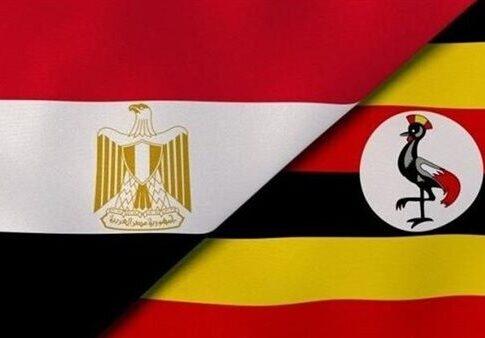
Uganda marks its 63rd Independence Day on October 9, 2025, commemorating its liberation from British colonial rule in 1962. Celebrations across the country reflect both national pride and a vision for the future, with parades, cultural festivals, and community events honoring Uganda’s diverse heritage and progress. The Republic of Uganda, a landlocked East African nation bordered by Kenya, Tanzania, South Sudan, Rwanda, and the Democratic Republic of Congo, is famed for its natural beauty — from the volcanic highlands and fertile valleys to Lake Victoria, the world’s second-largest freshwater lake, and the famed mountain gorillas of Bwindi National Park.
Uganda’s economy has shown remarkable resilience, achieving 6.1% growth in 2024, up from 5.3% the year before, driven by the services and industrial sectors, with strong support from coffee and gold exports. Inflation has eased to around 3%, remaining well below the Central Bank’s target. The government’s focus on industrialization, infrastructure development, and tourism revival signals an optimistic outlook, with projected growth of 6.25% in 2025.
Egypt and Uganda enjoy longstanding and friendly relations founded on shared African solidarity and cooperation within the Nile Basin Initiative (NBI). Ties were institutionalized through the 1995 Bilateral Investment Treaty, ensuring protection and promotion of investments between both nations. Egypt has maintained a permanent irrigation mission in Uganda for decades, contributing to river dredging, flood mitigation, and irrigation modernization. Recent years have witnessed a surge in high-level engagements — including the Egypt–Uganda Businessmen Forum inaugurated by Presidents Abdel Fattah El-Sisi and Yoweri Museveni — aiming to expand trade, industrial partnerships, and water resource collaboration.
Key joint projects include the Busitema Solar Power Station, built with Egyptian support; Egypt’s participation in Uganda’s Katosi Water Treatment Plant; and expanded cooperation in pharmaceutical manufacturing, solar energy, and irrigation systems. Trade between the two nations reached $139 million in 2024, with Egypt exporting iron, steel, plastics, sugar, and pharmaceuticals, while Uganda’s exports to Egypt include coffee, dairy products, and tobacco. Efforts to increase bilateral trade, reduce logistical barriers, and enhance industrial cooperation are underway, supported by both governments and private-sector alliances such as the Uganda Manufacturers Association (UMA).
As Uganda celebrates its independence, The Middle East Observer extends its warmest congratulations to the Government and people of Uganda, commending their enduring spirit, economic progress, and commitment to strengthening African partnerships. The publication reaffirms the shared vision of continued cooperation between Uganda and Egypt — built on trust, investment, and a shared pursuit of regional prosperity.