
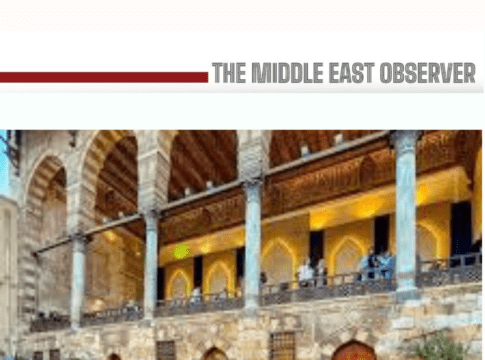
Tucked away on Beit El Qadi Street, just steps from the storied Al-Moez Ldin Allah Al-Fatmi Street, Mamai Restaurant offers travelers something increasingly rare: a meal that feels inseparable from its setting. In Old Cairo, where centuries overlap in narrow alleys and carved stone facades, Mamai is not simply a place to eat—it is a place to belong, if only for an evening.
The restaurant occupies a historic Cairene house whose identity long predates its current life. Local oral history speaks of a woman known as “Mamai,” remembered as the home’s original owner and a respected figure in the neighborhood. Like many traditional houses of Old Cairo, hers was a space of generosity and gathering—where food, conversation, and community shaped daily life. Today, the restaurant carries her name as a quiet tribute, preserving the spirit of hospitality that once defined the house.
That sense of continuity is felt the moment visitors step inside. The building retains the intimacy of an old Islamic-era home, with spaces that encourage conversation rather than spectacle. Instead of reconstructing history, Mamai adapts it, allowing guests to experience a living environment where past and present coexist naturally.
As evening falls, the restaurant comes alive. Soft lighting, traditional décor, and live performances—often featuring Sufi dancers and musicians—transform dinner into a cultural encounter. The sounds and movements echo the rhythms of Old Cairo itself, creating an atmosphere that feels authentic rather than staged, immersive rather than theatrical.
The menu follows the same philosophy. Mamai focuses on Egyptian cuisine rooted in familiarity and comfort, with grilled meats, classic mezze, and time-honored flavors prepared with care. For travelers seeking local taste rather than international fusion, the food offers a direct connection to Egypt’s culinary traditions—generous, robust, and meant to be shared.
What truly distinguishes Mamai, however, is its mood. Evenings stretch late into the night as diners linger over music and conversation, blending seamlessly with the nocturnal energy of Old Cairo. Locals and visitors sit side by side, turning the restaurant into a social crossroads rather than a tourist enclave.
For travelers exploring Cairo’s historic heart, Mamai offers an experience that goes beyond sightseeing. It is a reminder that heritage here is not confined to monuments and museums—it is lived, shared, and tasted. By preserving the name and spirit of its original owner, Mamai allows guests to step briefly into the rhythm of an old Cairene home, where hospitality remains the most enduring tradition of all.