
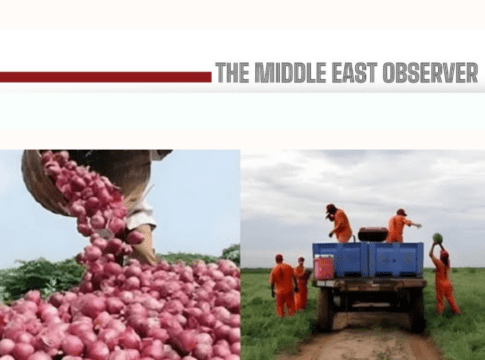
In Burkina Faso, a place long associated with hardship and scarcity, an unconventional justice reform is reshaping the meaning of punishment. Under a sweeping initiative launched by President Ibrahim Traoré, prisons—traditionally symbols of confinement and deprivation—are being transformed into spaces of work, learning, and reintegration.

At the heart of the reform is a simple but powerful equation: one month of agricultural work equals a three-month reduction in sentence. Inmates who choose to participate are deployed to prison-run farms, where they engage in structured agricultural production rather than idle confinement.
The programme goes far beyond sentence reduction. Participants receive hands-on training in practical farming skills, including modern irrigation techniques, soil improvement, crop care, and post-harvest handling. In some cases, inmates are also introduced to the basics of agricultural marketing, giving them insight into how farm output moves from field to market.
The impact has extended well beyond prison walls. Produce from prison farms has contributed to national food security, easing pressure on imports and supporting local supply chains at a time when many African economies face rising food costs and climate-related shocks. What began as a penal reform has evolved into a tool of economic resilience.
For inmates, the transformation is deeply personal. The opportunity to work, learn, and see tangible results from their labour restores a sense of dignity and purpose often stripped away by incarceration. Harvests become proof that effort can still yield value, and that reintegration into society is not only possible, but achievable.
By redefining incarceration as a pathway to productivity, Burkina Faso’s reform reframes justice itself. Punishment is no longer solely about isolation or suffering; it becomes a structured opportunity for correction, contribution, and renewal. Prisons, once places of stagnation, are turning into workshops of rehabilitation and nurseries of second chances.
The lesson is clear: when societies offer those who have erred a chance to work, learn, and reform, punishment can become a beginning rather than an end. In the fields of Burkina Faso’s prison farms, accountability is being cultivated alongside hope.