
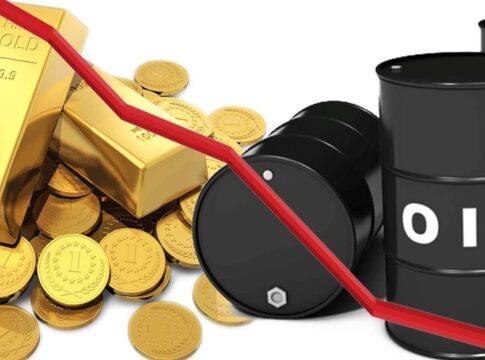
Global markets are once again moving on fear. Mounting geopolitical tensions, stubborn inflation, and weakening confidence in monetary policy have pushed investors back toward traditional safe havens — gold and oil — driving both commodities to new highs.
Gold has broken past the $4,000 per ounce mark for the first time in history, rising 54% since the start of 2025, its strongest performance since 1979, according to FactSet. Analysts attribute the surge to expectations of interest rate cuts by the U.S. Federal Reserve, sustained central bank purchases, and rising ETF inflows. For many investors, gold remains the ultimate hedge against volatility, currency weakness, and inflation.
“Gold’s rise reflects anxiety more than optimism,” said Matthew Piggott of Metals Focus. “Investors are hedging against a world where both policy and politics look unstable.” Goldman Sachs has lifted its 2026 forecast to $4,900 per ounce, citing resilient institutional demand.
Oil markets, meanwhile, are trading on geopolitics rather than supply fundamentals. Brent crude rose 1.2% to $66.25 per barrel, while WTI climbed 1.3% to $62.55, after traders priced in prolonged sanctions on Russian exports and stronger U.S. consumption. The stalemate in Ukraine peace talks and limited OPEC+ output increases have added a firm risk premium to prices.
“The geopolitical risk premium is back — and it’s not going away anytime soon,” said Claudio Galimberti of Rystad Energy.
Together, gold and oil’s simultaneous rally signals that uncertainty itself has become the key driver of market behavior. As investors seek stability amid fragmented geopolitics and uneven growth, fear is — once again — the world’s most valuable asset.