
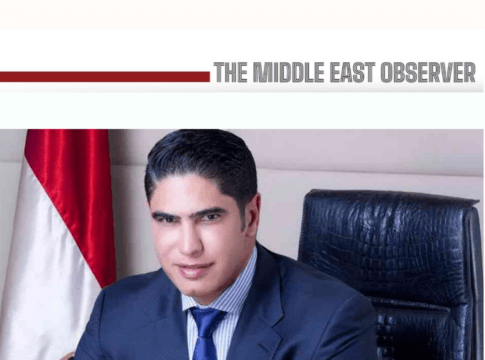
Egyptian industrial and investment group “Al Masryeen for Industry and Investment”, led by prominent businessman Ahmed Abu Hesheema, has signalled a significant expansion into the Saudi Arabian market, with plans to invest in the energy and agriculture sectors by late 2026 or early 2027. The announcement was made during Abu Hesheema’s participation in a major entrepreneurship forum in Riyadh, reflecting growing private-sector economic engagement between Egypt and Saudi Arabia.
Abu Hesheema stated that his group intends to establish new manufacturing facilities in the Kingdom, notably:
- A solar energy factory focused on the production of solar panels and photovoltaic cells; and
- An agriculture-related manufacturing facility to support production and value addition in the agri-industrial value chain.
These plans build on the group’s existing operations in renewable energy and agricultural manufacturing. Abu Hesheema’s company Atom Solar, which specialises in solar panel and battery production, is evaluating the establishment of production lines in Saudi Arabia to leverage the country’s renewable energy ambitions and economic incentives.
Abu Hesheema described Saudi Arabia as a strategic regional expansion destination due to its robust economic growth trajectory and attractive industrial incentive frameworks for investors. He emphasised that the Kingdom’s economic outlook and policy environment make it an appealing market for long-term industrial investment.
The planned entry aligns with broader trends of Egyptian private-sector engagement in Saudi Arabia, where bilateral business ties and joint initiatives across sectors such as solar energy, agri-food, and industrial manufacturing have been advancing. Previous agreements between Egyptian and Saudi firms and authorities have covered solar energy and agricultural industries, underscoring the deepening economic integration between the two countries.
At the Riyadh forum, Abu Hesheema also discussed the importance of protecting and localising Arab industries amid growing foreign competition. He called for enhanced industrial incentives and financing mechanisms across Arab states to support competitive manufacturing and innovation. He argued that adopting policies similar to those in major global economies could empower domestic industries and attract quality investment.
Abu Hesheema highlighted the role of artificial intelligence (AI) in future industrial competitiveness, noting that mastery of AI should extend beyond technical capability to effective business application. He suggested that the next phase of economic and industrial growth in the region will be driven by “giant companies” built on **advanced AI and digital technologies.”
Saudi Arabia’s Vision 2030 and its associated industrial and economic reforms have increasingly positioned the Kingdom as a preferred destination for foreign direct investment. The government’s incentives for renewable energy, agricultural technology, and manufacturing sectors are designed to diversify its economic base and support sustainable growth. The entry of Egyptian industrial groups into this environment reflects a broader trend of regional integration and cross-border private-sector investment in the Arab world.
Abu Hesheema’s announcement signals growing confidence among Egyptian industrialists in Saudi Arabia’s market potential, particularly in green energy and agri-industrial sectors that are both priority areas for economic expansion in the Middle East.