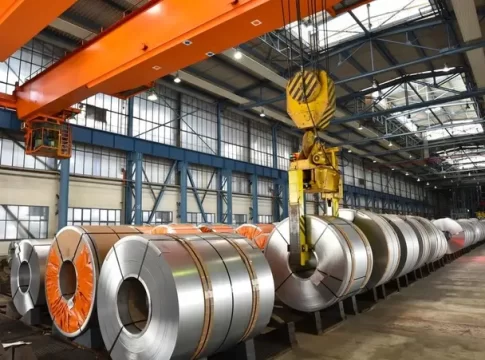
The U.S. Department of Commerce has initiated concurrent anti-dumping (AD) and countervailing duty (CVD) investigations into steel reinforcing bar (rebar) imports from Egypt, alongside imports from Algeria, Bulgaria, and Vietnam. This action follows allegations from U.S. producers of unfair pricing and illegal subsidies, setting the stage for potentially hefty tariffs that could reshape Egypt’s access to a critical global market.
Although Egyptian exports of rebar saw a significant decline from $145 million in 2023 to $114 million in 2024, U.S. domestic producers filed the complaint in June 2025. The Commerce Department has embarked on dual investigative tracks to determine both the occurrence of dumping and the extent of government subsidies. Preliminary findings are due by August 2025 for subsidies and by November 2025 for dumping.
In response, Egyptian exporters, with support from the Ministry of Investment and Foreign Trade’s Trade Remedies Sector, are working diligently to prepare their defense. High-level consultations between Egyptian and U.S. officials under World Trade Organization (WTO) guidelines have reinforced Egypt’s position that its subsidies align with international standards.
Experts emphasize the importance of Egypt’s timely and robust defense, which includes comprehensive responses to investigative questionnaires and thorough technical verifications. By demonstrating minimal subsidies, as Turkey did in a prior case, Egyptian firms can bolster their position. Moreover, Egypt’s increasing rebar production, which grew by 12.3% to over 9 million tons in 2024, highlights the country’s capability to withstand market pressures.
As Egypt navigates these challenging trade waters, a well-prepared, data-driven defense could preserve crucial U.S. market access. Even if the outcome necessitates an industrial shift, it could drive essential restructuring and diversification, laying the groundwork for sustainable competitiveness in the global steel arena.