
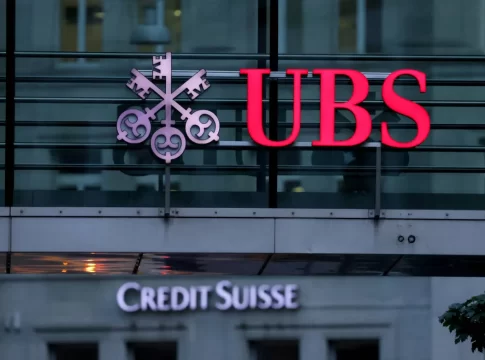
Despite a year clouded by geopolitical volatility, persistent inflation, and retreating global liquidity, Swiss private banks are enjoying a renaissance. According to KPMG’s annual Swiss Private Banking Report released Thursday, the sector’s assets under management (AUM) climbed to an unprecedented 3.4 trillion Swiss francs ($4.24 trillion) in 2024—a historic high.
More impressively, net profits soared by 29% to reach over 4 billion francs, defying expectations in a climate of declining interest income and tightening margins. The secret behind this unlikely boom? Strategic pivots in revenue models, consolidation-driven efficiency—and an influx of wealth from regions navigating greater economic and political turbulence, especially the Middle East.
The report reveals that Swiss private banks attracted robust new money from Middle Eastern investors, particularly sovereign entities and ultra-high-net-worth individuals (UHNWIs) in the Gulf Cooperation Council (GCC) states. Amid rising regional surpluses from hydrocarbons, sovereign diversification, and shifting global alliances, Swiss banks have become favored safe harbors for diversified asset placements.
“Over 18% of new inflows into Swiss private banks in 2024 originated from the Middle East—one of the highest regional growth rates globally,” said a senior analyst at KPMG. “These clients are increasingly looking for stability, discretion, and sophisticated wealth structuring solutions. Switzerland ticks all those boxes.”
Among the regions analyzed in the report, Asia remained dominant, contributing 32% of net new money, but the Middle East posted the most notable year-on-year increase—up 44% compared to 2023. Latin America followed, driven by political instability and capital flight.
The pivot from interest income to commission-based earnings has become central to Swiss banks’ strategy. Following the Swiss National Bank’s rate cut to zero in mid-2024, banks doubled down on portfolio management, structured products, and bespoke advisory services.
“Clients from the Gulf and other volatile markets have shown a preference for actively managed solutions and flexible investment structures,” noted Christian Hintermann, Financial Services Partner at KPMG Switzerland. “That plays into Swiss banks’ strengths.”
Customized trading desks, Sharia-compliant investment vehicles, and cross-border trust services have seen renewed demand from Gulf investors seeking diversification away from USD-centric portfolios and domestic market risk.
While profitability has surged, the number of Swiss private banks is set to fall below 80 by end-2025—nearly half the figure from 15 years ago. The survivors are leaner, tech-enabled, and heavily focused on global high-value clients.
“This isn’t a volume game anymore—it’s about specialization,” said Markus Feldmann, a Geneva-based private banking strategist. “Middle Eastern clients increasingly expect digital fluency, real-time engagement, and family office-grade services.
Switzerland’s private banks have a substantial investment in AI-powered client servicing platforms to better cater to UHNWIs from the Middle East and Asia. Tools include AI-driven portfolio modeling, digital concierge services, and behavioral analytics to anticipate client needs. Swiss banking no longer relies only on secrecy—it thrives on service, precision, and technology.
While the KPMG report highlights persistent headwinds—ranging from global recession fears to regulatory burdens—analysts agree that Swiss banks are better positioned than ever. Their mix of legacy trust, global client coverage, and adaptable operating models gives them a competitive edge.