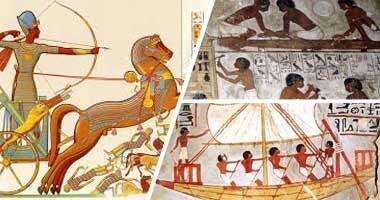
Inscriptions and illustrations on monuments across Egypt reveal that sports were a significant aspect of ancient Egyptian society. These detailed depictions showcase events that included wrestling, weightlifting, long jumping, swimming, and various ball games. The sophistication of these activities is underscored by the fact that ancient Egyptians established rules, designated referees, and even awarded prizes, much like modern-day sports.
“Sport was deeply embedded in the cultural fabric of ancient Egyptian life,” says Dr. Amira El-Adly, an Egyptologist specializing in ancient sports. “The rigorous attention to structure and fairness in these competitions laid important groundwork for the sports we recognize today.”
Ancient Egypt wasn’t just about domestic competitions. Historical records indicate that they held both local and international sports festivals, attracting athletes from across Africa and Asia. These events were judged by a panel comprising national and international figures, highlighting Egypt’s role as a pioneer in organized sports.
The most beloved events included gymnastics, swimming, and rowing. “Swimming was particularly popular thanks to the Nile,” notes Dr. El-Adly. “Not only was it a practical skill, but it also became a sport that showcased grace and strength.”
Remarkably, ancient Egyptian art also depicts women participating in various sports, a progressive attitude given the era. Scenes from Saqqara tombs illustrate women engaging in activities like handball, affirming the inclusive nature of these ancient games.
Many of the techniques and equipment used by the ancient Egyptians bear a striking resemblance to modern counterparts. For instance, their version of hockey involved using palm-tree branches fashioned into sticks, with colorful papyrus balls. Similarly, rowing teams relied on synchronization and leadership—a practice still crucial in contemporary rowing competitions.
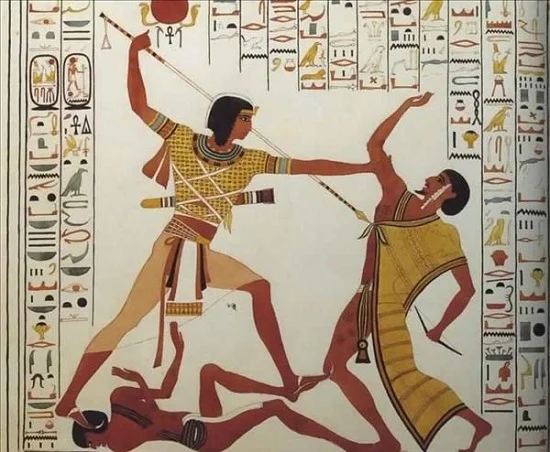
From the strategic precision of archery to the competitive spirit of marathon running, Egypt’s ancient sports are not merely relics of the past. They provide insights into the society’s values and innovations. The dedication to physical excellence is embodied in the various sports played, including weightlifting and fencing, which remain popular today.
As Dr. El-Adly eloquently puts it, “The sports culture of ancient Egypt was not just about physical activity. It was a celebration of human capability and community spirit, aspects that continue to resonate in sports culture today.”
This enduring legacy is a testament to the timeless allure of sport—a universal language that continues to unite and inspire, transcending time and geography. As we reflect on the contributions from the age of the pharaohs, we gain a greater appreciation for the profound impact that ancient Egypt has had on the world of sports.