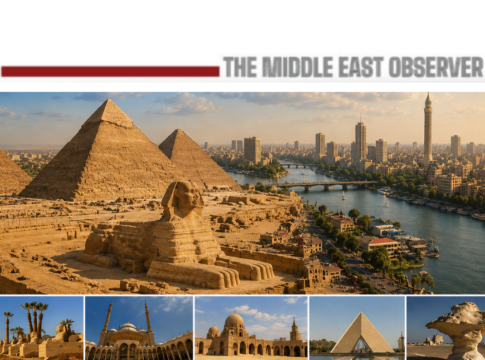
Cairo has been ranked the world’s fourth most beautiful city for 2026 by Civitatis, a Spain-based travel experiences platform, making Egypt’s capital the highest-ranked city in the Middle East and Africa and reinforcing its growing international profile as the country seeks to expand tourism’s contribution to economic growth.
The ranking placed Cairo behind only Venice, Kyoto and Cape Town, while ahead of several internationally renowned destinations. Although the survey is not a formal tourism competitiveness index comparable to assessments produced by UN Tourism or the World Economic Forum, it offers insight into how international travellers perceive destinations and reflects broader trends in destination branding and travel sentiment.
Founded in Madrid, Civitatis specialises in tours, excursions and destination experiences across more than 160 countries. Unlike rankings that focus on visitor numbers, infrastructure or affordability, its assessment emphasises cultural identity, historical significance, visual appeal and overall visitor experience.
According to the platform, Cairo’s strong showing stems from a rare combination of attributes. The city is home to the Pyramids of Giza, the last surviving Wonder of the Ancient World, while also offering a living urban landscape shaped by Pharaonic, Coptic, Islamic and modern influences spanning thousands of years.
Civitatis highlighted Cairo’s ability to combine globally recognised archaeological landmarks with the dynamism of one of the Middle East and Africa’s largest metropolitan centres. This coexistence of ancient heritage and contemporary urban life helped distinguish the Egyptian capital from competing destinations and contributed to its fourth-place ranking.
The recognition comes as Egypt intensifies efforts to strengthen tourism as a pillar of economic development. The sector remains one of the country’s most important sources of foreign currency earnings, employment and investment. Egypt welcomed more than 15 million visitors in 2024 and is targeting 30 million annual arrivals by 2030 through expanded hotel capacity, airport upgrades, tourism infrastructure projects and destination development initiatives.
Among the flagship projects supporting that strategy is the Grand Egyptian Museum near the Giza Pyramids, one of the largest archaeological museums ever constructed. Together with ongoing development of the Giza Plateau and wider investments in hospitality and transport infrastructure, the project forms a cornerstone of Egypt’s efforts to enhance visitor experiences and increase tourism revenues, which reached a record $15.3 billion during the 2023/24 fiscal year.
Beyond tourism promotion, international rankings increasingly serve as tools of economic branding and soft power. Positive recognition from major travel platforms can influence travel decisions, strengthen marketing campaigns and support investor confidence in sectors linked to tourism, including hospitality, aviation, entertainment and real estate.
While beauty rankings remain inherently subjective and should not be viewed as definitive measures of tourism competitiveness, Cairo’s inclusion among the world’s highest-ranked destinations provides another endorsement of the city’s international appeal. As global travellers increasingly seek authentic, experience-driven destinations, Cairo’s blend of history, culture and urban vitality continues to strengthen its position on the global tourism map and support Egypt’s long-term tourism growth ambitions.