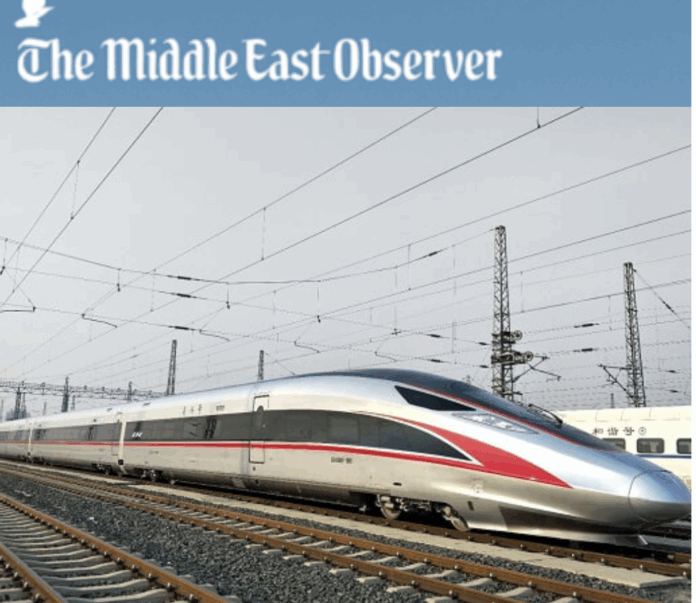
Egypt has moved a step closer to launching its 2,000-km high-speed electric rail network after signing a 15-year operations and maintenance agreement with a consortium led by Deutsche Bahn International Operations and El Sewedy Electric. The contract appoints the joint venture as the sole operator of the network’s three lines and requires that 95% of its workforce be Egyptian, supported by comprehensive training programmes in Germany to build long-term national expertise.
The first line—running from Ain Sokhna through the New Administrative Capital and 6th of October to Alexandria, El Alamein and Marsa Matrouh—is the most advanced. Trial runs on the corridor are already underway, with commercial service earlier scheduled to begin in June 2026, creating Egypt’s first high-speed link between the Red Sea and the Mediterranean.
The second line, stretching around 1,100 km from Giza and 6th of October to Luxor, Aswan and Abu Simbel, is currently under full construction. Although no official opening timeline has been released, the route is expected to sharply reduce travel times across Upper Egypt and stimulate growth in major tourist destinations.
The third line—from Qena to Hurghada and Safaga—is in the planning and early implementation stages. Designed to form a rapid transport and logistics corridor between Upper Egypt and the Red Sea ports, it does not yet have a confirmed date for public operation.
The DB–El Sewedy partnership is intended to deliver consistent standards across all three lines, preventing operational fragmentation and ensuring cohesive safety, maintenance and customer service practices. Annual training programmes in Germany for Egyptian engineers, drivers and technicians are a key component of the localisation strategy, aimed at gradually transferring full operational capabilities to Egyptian teams.
Although the high-speed network represents one of the country’s most transformative infrastructure projects—linking nearly 60 cities and benefiting up to 90% of the population—its long-term success will depend on broader system integration. Key challenges include harmonising ticketing across transport modes, maintaining affordable yet sustainable fares, safeguarding assets through strict maintenance regimes and ensuring that stations are developed in tandem with surrounding urban and industrial areas.
Despite these complexities, the overall prospects are highly positive. If construction milestones are met and the network performs to its design standards, Egypt will operate one of the largest electrified high-speed systems in the region—predominantly staffed by Egyptians and built to international specifications.