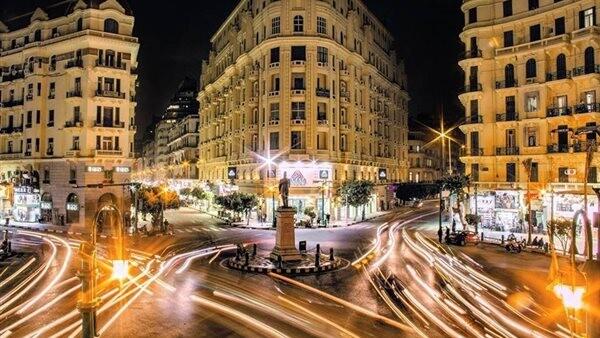
Cairo’s historic downtown, long the administrative heart of Egypt, is poised for a dramatic transformation. A Saudi–Egyptian consortium is weighing an investment of up to USD 1 billion to redevelop prime government-owned properties into a mixed-use district of hotels, offices, and commercial spaces.
The group brings together Saudi Arabia’s Sumou Holding and Adeer International, with Egyptian developers MIDAR and Hassan Allam Holding, in what could become the most ambitious private sector-led regeneration of the capital’s core in decades.
The sites under consideration include blocks along the Nile Corniche and around “Ministries Square”, now vacant following the relocation of government departments to the New Administrative Capital east of Cairo. In January 2024, President Abdel Fattah El-Sisi transferred ownership of 13 former ministry buildings to the Sovereign Fund of Egypt (SFE) to unlock their redevelopment potential【turn0search1†source】
The fund has since marketed the properties to investors as part of Egypt’s wider privatisation and asset-optimisation strategy, backed by the IMF programme and aimed at attracting hard-currency inflows.
Egypt’s tourism sector is central to the project rationale. The SFE has signalled plans to add 2,600 new hotel rooms across Downtown, alongside public realm upgrades and cultural venues. Officials see mixed-use redevelopment as key to restoring the district’s faded grandeur and positioning Cairo as a regional hub for leisure and business travel.
The proposed consortium follows other GCC investment waves. Earlier this year, MIDAR and Hassan Allam unveiled USD 2bn in hospitality and leisure projects with Adeer, underlying investor appetite despite Egypt’s macroeconomic headwinds.
The 2024 presidential decree stripped the former ministry buildings of “public benefit” status, vesting title in the SFE and clearing the way for private participation via long leases, revenue-sharing, or joint ventures. The model mirrors structures the fund has already used in hotel and real-estate transactions with global operators.
Authorities have also approved zoning that allows for hotels, cultural institutions, offices, and residential uses across the Downtown footprint, giving developers regulatory clarity.
The planned transformation echoes heritage-led regeneration projects in the Gulf. Riyadh’s Diriyah master plan, with $63bn in investment and over 40 hotels under development, illustrates the scale of GCC capital now backing historic cores. Likewise, Emaar’s Downtown Dubai, anchored by the Dubai Mall, shows how integrated mixed-use clusters can generate global visitor traffic—over 100 million visitors annually.
Cairo’s opportunity lies in replicating this model while leveraging its own deep cultural assets. The challenge will be balancing commercial pressures with heritage conservation, and managing infrastructure bottlenecks in one of the world’s densest megacities.