
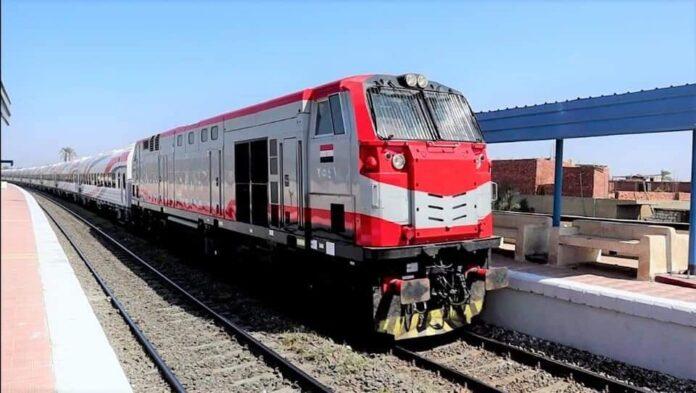
The Egyptian National Railway Authority is gearing up to launch an international tender for the creation of a 300-kilometer railway line connecting Simla, Matrouh, and Gargoub in the second half of this year. This ambitious project is part of a broader initiative to modernize Egypt’s railway infrastructure, enhancing both efficiency and connectivity across the region.
According to sources from Al Borsa newspaper, the authority is exploring multiple avenues for project implementation, including a Business Transaction (BOT) model in collaboration with the private sector. This approach underscores Egypt’s commitment to engaging private investment in public infrastructure to leverage expertise and efficiency.
The estimated cost of this expansive railway line is around $380 million, with plans to tender the project to investors in multiple phases. This phased implementation is designed to effectively manage the project’s scope and complexity.
The new railway will significantly bolster the operational capabilities of the Gargoub seaport, facilitating freight transport critical to the seaport’s surrounding industrial projects. These projects aim to localize engineering and food industries, targeting increased exports to African and European markets. Additionally, the railway line is poised to strengthen trade links with Libya through the Salloum land port, marking a substantial boost in regional economic activity.
Transportation economist Dr. Hassan El-Shazly notes, “The Simla-Matrouh-Gargoub railway is a game-changer for Egypt’s logistics and trade sectors. It not only modernizes our transport infrastructure but also strategically positions Egypt as a trade hub between Africa and Europe.”
The Egyptian National Railway Authority is also considering financing the project independently, potentially with support from an international institution with a history of collaboration with Egypt’s Ministry of Transport. This reflects a strategic blend of self-financing and international partnerships, ensuring financial sustainability and international standards in execution.
