
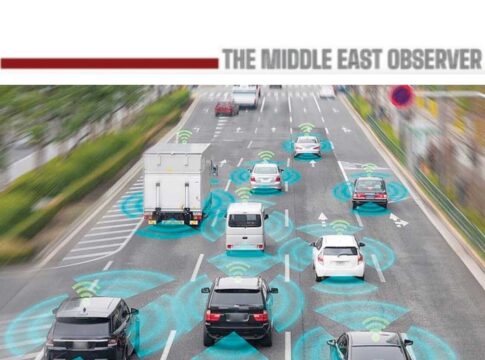
The expansion of driverless taxis operated by Waymo is transforming mobility in San Francisco, but operational data shows the technology is still adapting to the realities of dense urban traffic.
Transit operators working for the San Francisco Municipal Transportation Agency (SFMTA) have reported increasing incidents involving stalled robotaxis, unexpected manoeuvres, or vehicles blocking bus lanes and intersections. In response, the city’s Transit Management Center created a new dispatch category in 2024 labelled “Driverless Car Incident.” Clearing these situations often requires contacting Waymo’s remote assistance teams or, in some cases, police intervention, with disruptions taking around 20 minutes on average to resolve.
The challenges became especially visible during a citywide blackout last December when disabled traffic lights left clusters of robotaxis stationary while awaiting remote guidance.
Waymo says its fleet has logged more than 40 million autonomous miles across U.S. cities, arguing that autonomous systems are demonstrating improving safety performance compared with human drivers. Yet experts note that driverless fleets introduce new dependencies on communications networks, remote operations teams, and emergency coordination frameworks.
The broader transformation of mobility extends far beyond autonomous driving. According to Grand View Research, the global electric vehicle (EV) market is projected to surge from $1.3 trillion in 2024 to $6.5 trillion by 2030, growing at an annual rate of 32.5%. The expansion is being driven by tighter emissions regulations, government incentives, improved battery performance, and rising fuel costs.
Supporting infrastructure is expanding rapidly as well. The EV charging infrastructure market is expected to reach $238.8 billion by 2033, while fast-charging networks — already accounting for more than 70% of installations — are becoming critical to enabling widespread adoption.
Together, autonomous vehicles and electrification represent two pillars of a broader restructuring of the transport sector. For cities such as San Francisco, the challenge now is not only deploying these technologies but integrating them into complex urban systems where public transport, emergency services, and digital infrastructure must operate seamlessly alongside the vehicles of the future.